




Landowners back Cairngorms fire ban amid escalating wildfire risk
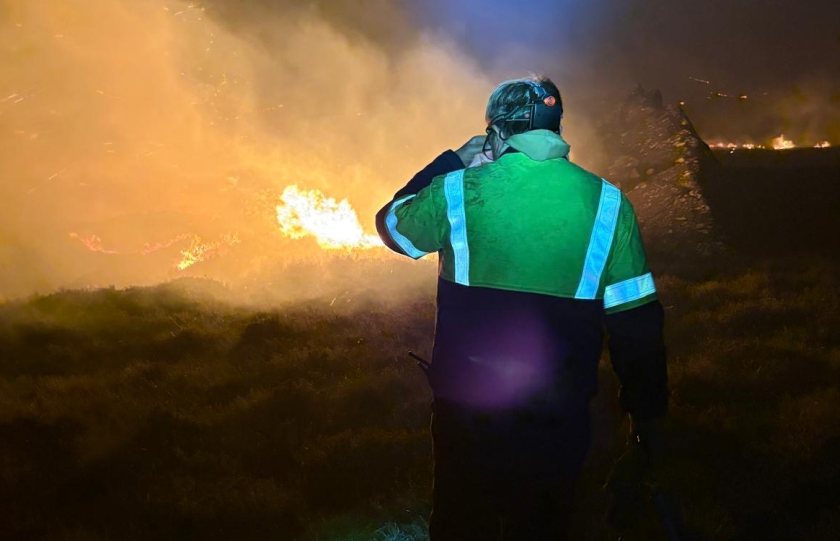
A fire ban across the Cairngorms comes into force this week, with landowners warning it is a “vital step” to curb a growing wildfire threat as Scotland faces increasingly dry conditions.
The new seasonal byelaw, introduced by the Cairngorms National Park Authority, will ban barbeques and campfires across the park from April to September each year.
The move comes as wildfire pressure intensifies, driven by longer, drier periods linked to climate change.
Recent events underline the risk. The Carrbridge and Dava Moor wildfire burned nearly 12,000 hectares and required support from at least 36 rural businesses, including 30 estates, to bring it under control.
Scottish Land & Estates (SLE) said the new restrictions are a necessary response to the growing threat.
Ross Ewing, the organisation’s director of moorland and strategic projects, said: “This is a sensible and necessary step at a time when Scotland is facing a clear and growing risk from wildfires.”
He also backed efforts to focus on prevention, including the “protect our national park: no flame, no spark” campaign and increased ranger presence.
“Prevention is always better than cure when it comes to wildfires,” Mr Ewing said.
“Once a fire takes hold, the impacts can be devastating – for people, for wildlife and for rural businesses – so reducing the likelihood of ignition in the first place is absolutely critical.”
Alongside this, enforcement is being strengthened through additional investment in countryside rangers, new powers, and joint patrols with Police Scotland in known hotspot areas.
Crucially, land managers play a central role in tackling fire danger.
“Land managers are very often on the frontline when incidents occur,” Mr Ewing said.
“They are frequently involved in putting out campfires and barbeques before they escalate, erecting signage to warn visitors of risks, and working closely with emergency services and public bodies when fires do break out.”
He added that estates often use their own equipment to support emergency services during major incidents.
“We saw at Carrbridge and Dava Moor the scale of damage that wildfires can cause, and the important role estates and land managers play… in helping to tackle these incidents alongside the emergency services.”
SLE said strong collaboration between organisations is essential.
“Effective partnership working is absolutely key,” Mr Ewing said, highlighting cooperation between the Park Authority, rangers, Police Scotland and land managers.
The organisation also stressed that the byelaw does not affect muirburn, which remains a controlled and regulated practice carried out by trained land managers.
“It is important to note that muirburn… is not affected by these byelaws,” Mr Ewing said.
He added that such work would continue to be undertaken responsibly and in coordination with the Scottish Fire and Rescue Service.
“Overall, this new byelaw represents an important step forward in adapting to the realities of climate change,” he said.
Visitors are being urged to follow the new rules — or risk fuelling fires that can devastate landscapes, wildlife and rural livelihoods.




