




New campaign targets older farmers after 40 deaths in a decade
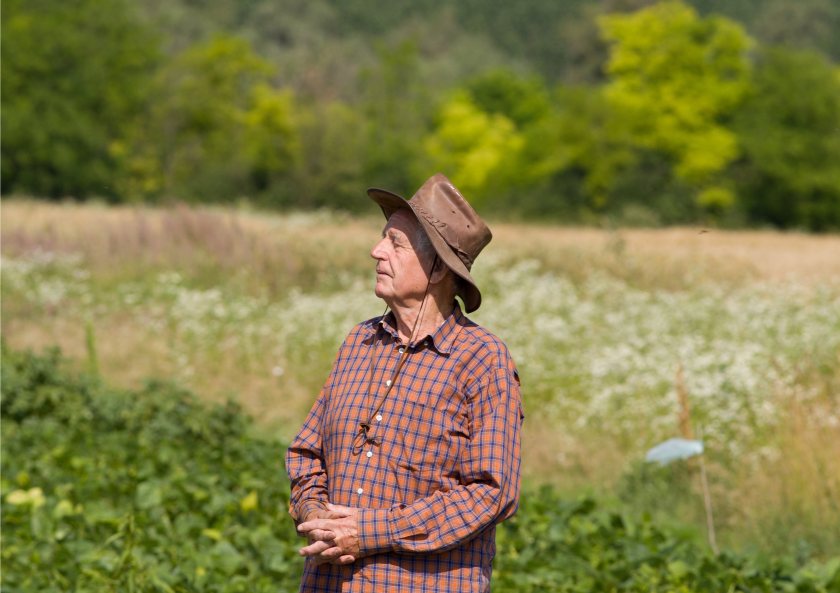
A new farm safety campaign has been launched after figures showed that 40 older farmers have died in farm-related accidents over the past decade, with many more seriously injured.
The ‘Farm Wiser to Farm Longer’ campaign, launched in Northern Ireland, is aimed at reducing deaths and injuries among older farmers by encouraging them to reassess risk and adapt how routine jobs are carried out.
While experience and knowledge increase with age, the campaign highlights that physical changes can also raise the likelihood of serious accidents.
Speaking at the launch, Department of Agriculture (DAERA) Minister Andrew Muir said older farmers remain vital to the industry but face greater danger.
“Our farming community is built on years of experience, commitment and hard work,” he said. “However, the statistics clearly show that older farmers are more likely to be killed or injured and those who are injured take longer to recover, in fact some may never farm again.”
He stressed the campaign is about keeping people farming safely. “This campaign is not about asking farmers to stop doing what they love – it’s about supporting them to make changes to protect their health and wellbeing as well as supporting the family farm,” he said.
Mr Muir said the message is about reflection rather than restriction. “We want to encourage older farmers to pause, assess risk, and adapt how certain tasks are carried out. The message is simple: farm wiser to stay in farming for longer.”
Bryan Monson, deputy chief executive of Health and Safety Executive for Northern Ireland (HSENI), said familiarity with tasks can increase risk.
“Sadly, from 2014 to 2024, some 40 older farmers have died and many more have been seriously injured in farm-related accidents – many of them preventable,” he said.
He said that while farming is a way of life, it remains unpredictable and physically demanding.
“As well as the normal risks of working with farming machinery and vehicles, working at heights and with livestock, as we get older, balance, strength and reaction times can change,” he said. “This means that tasks that once felt routine can become much more dangerous.”
The campaign encourages farmers to stop and think before high-risk jobs, asking: “Am I putting myself at risk?” and “What can I change to make it safer?”
Mr Monson said small changes can make a significant difference. “Even small changes can prevent life-changing accidents.”
Funded by DAERA, the Northern Ireland–based campaign will run across television, radio, bus stops, digital platforms and social media, with messages designed to resonate across the wider farming sector.
It focuses on three main risk areas: farm vehicles and machinery, working with livestock and working at height.
Farm vehicles remain one of the leading causes of death and serious injury among older farmers, with risks including overturning, crushing and mechanical failure.
The campaign encourages farmers to consider whether they are using the safest vehicle for the job, including switching from quads to side-by-side vehicles fitted with seatbelts.
Livestock handling is another key concern, particularly where reduced strength, balance and reaction time increase the risk of serious injury. Farmers are advised to avoid working alone with cattle, review handling facilities and ensure safe escape routes are in place.
Working at height continues to cause life-changing injuries. The campaign advises avoiding ladders where possible, working from the ground using long-handled tools and recognising when specialist contractors are needed.
Harry Sinclair, chair of the Farm Safety Partnership, said health checks are also central to the campaign. “As we get older, changes in health, strength and mobility can increase the risk of accidents,” he said. “Injuries also take longer to recover from and can stop you farming altogether.”
He said regular eyesight, hearing and blood pressure checks can help reduce risk. “Adapting how you work does not mean giving up farming,” Mr Sinclair said.
“Many older farmers lead by example, using safer equipment, avoiding unnecessary risks and asking for help when needed.”
He said the campaign reinforces the idea that safety underpins good farming practice. “We believe the campaign builds on that good practice and shows that safety is a sign of good farming, not weakness,” he said.
“We’re here to help and support our farmers and together we can keep farming safe and productive for future generations.”
As the sector faces ongoing labour pressures and succession challenges, organisers say keeping experienced farmers safe and active on farms is critical to the long-term resilience of agriculture.




