




New study proposes greater sharing of data between farmers and archaeologists
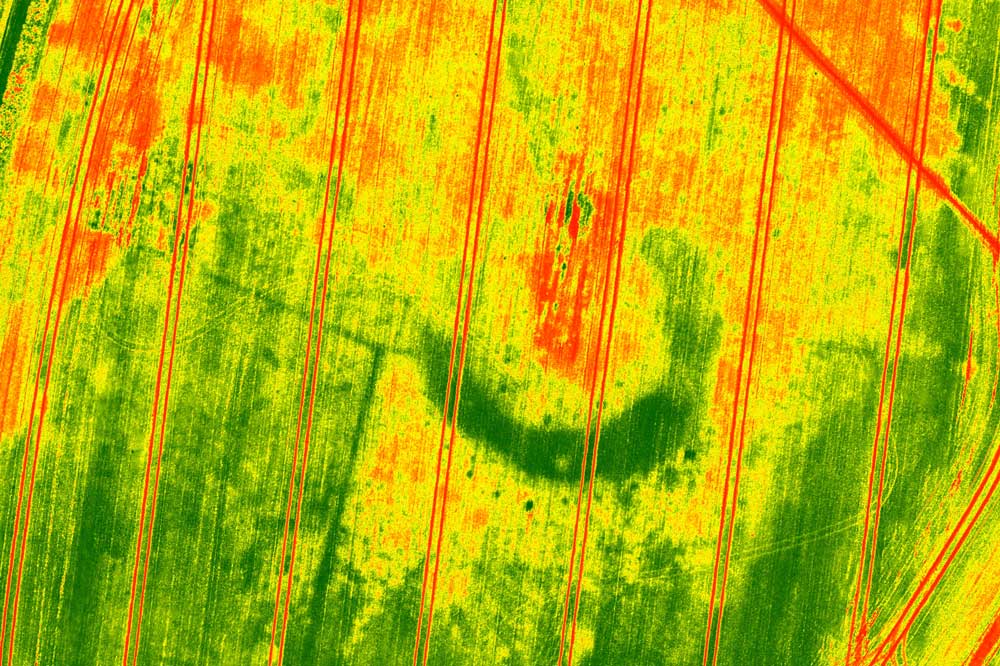
Developments in precision farming could yield data of great use to archaeological research, and that archaeological data could be valuable for farming.
Agriculture and archaeology are two disciplines that typically are not thought to go together. But in regions that are rich in archaeological features, the link can be strong.
A paper published in the journal Archaeological and Anthropological Sciences surveys the different data types and methodological processes involved in modern precision farming systems and explores ‘how potentially interconnected these systems are with the archaeological community’.
The paper gives the example of soil variation, which can now be measured in great detail and scope using technologies such as multispectral imaging from satellites and drones, geochemical mapping and yield recording in order to manage small areas of farmland more effectively.
This data has potential benefits for archaeologists, since ‘archaeological remains are often buried within cultivated soils’, and soils ‘also provide a unique context for learning about the archaeological remains themselves both spatially and vertically, providing vital and sometimes detailed records of soil history and depositional processes’.
Thus by having more detailed datasets of soils, farmers can target their fertilisers better, and archaeologists can understand more about buried cultural heritage.
The study concludes that, while sensitivities over issues such as interference in farming operations must be borne in mind, ‘it may be possible to work more collaboratively to improve the farmers’ ability to grow crops and to help inform better archaeological decision-making’.




