




Poultry sector warned it must stop letting activists shape the narrative
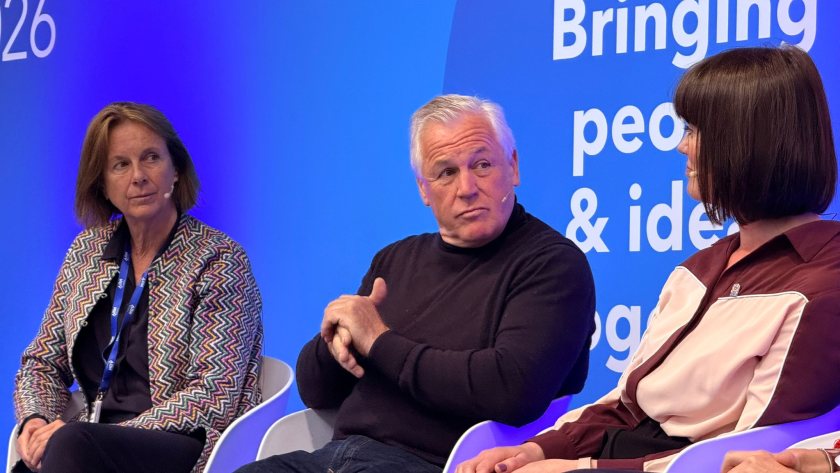
The poultry sector must stop allowing activists to shape the public conversation around farming and welfare issues, industry leaders warned at the Pig & Poultry Fair.
Speakers at the event said producers and farming organisations had become too defensive while increasingly sophisticated activist campaigns were dominating public debate around poultry production, animal welfare and environmental standards.
The discussion, chaired by Chloe Ryan of Poultry Business, examined how campaigns against poultry businesses had evolved and how producers should respond when footage or allegations emerge online.
Panel members included Amy Jackson, founder of Oxtale Communications and research fellow at the University of Nottingham, Paul Kelly, managing director of Kelly Turkeys, Jo Miller, director of communications and engagement at Red Tractor, and Jo Hilditch of Whittern Farms in Herefordshire.
A major theme throughout the session was the growing influence of social media activism and the speed at which footage can now spread online.
Speakers warned producers were increasingly facing highly organised campaigns capable of distributing hidden-camera footage across platforms such as YouTube, Instagram and Facebook within hours.
Ms Jackson said the poultry industry had previously shown it could respond effectively when acting collectively, pointing to progress made on antibiotics and food safety over the past decade.
However, she warned the sector was now losing control of the narrative on issues such as water and air quality because it had failed to engage openly with public concerns early enough.
Rather than waiting for criticism to intensify, she argued producers needed to talk more openly about the realities of poultry farming and the progress being made across the industry.
Campaigners argue undercover footage remains necessary to expose welfare failings and environmental concerns within intensive farming systems.
Mr Kelly said activism had changed significantly as campaign groups were now able to generate income through online clicks, advertising revenue and donations.
In his view, this had created strong incentives for dramatic footage and emotionally driven narratives.
Technology was also making it increasingly difficult for producers to control what material might emerge publicly.
Hidden cameras, drones and mobile phone footage meant farms could quickly become the focus of online campaigns even where businesses believed they were operating responsibly and within the law.
Mr Kelly, whose business has previously been targeted by activists, said the experience could feel deeply personal for farming families, particularly when footage spreads rapidly online.
However, he suggested public reaction was not always as severe as producers feared, arguing many consumers understood some difficult realities were part of livestock farming.
Several speakers also highlighted what they described as a widening disconnect between consumers and modern agriculture.
They argued many people now had little direct understanding of poultry production, creating an information gap that campaigners were often able to fill.
Mr Kelly said producers needed to become more willing to show the public what happens on farms rather than allowing activist footage to become consumers’ first exposure to poultry production.
He said issues such as mortality, bird catching and processing could be understood by the public when explained honestly and in context.
Ms Hilditch said the industry should become more confident in promoting British poultry production and the standards being achieved on farm.
She said producers had invested heavily in welfare, housing and flock management and should not be reluctant to explain how modern poultry systems operate.
The discussion also highlighted growing pressure around planning and environmental regulation.
Poultry producers were increasingly finding themselves drawn into wider environmental disputes over river pollution and planning policy, particularly in areas such as the River Wye catchment.
The panel said planning applications were now frequently accompanied by extensive mitigation requirements covering nutrient management and ammonia emissions, even where developments would improve older facilities.
There were also concerns that local authorities were becoming more cautious because of fears over potential legal challenges and judicial reviews.
Much of the debate focused on communications strategy and how businesses should react when activist footage or allegations emerge online.
Ms Jackson warned silence was one of the industry’s biggest mistakes when allegations surfaced publicly.
Instead, she argued businesses should acknowledge concerns quickly, confirm investigations were taking place and commit to providing further information once facts had been established.
Alongside the discussion, BFREPA and the British Egg Industry Council (BEIC) have jointly produced three activist awareness leaflets aimed at helping producers prepare for activist activity while improving public understanding of British free-range egg production.
The debate reflected growing concern within the poultry sector that future battles over farming standards, welfare and environmental impact will increasingly be fought online — and won by whoever controls the narrative first.




