




Price boost for First Milk farmer suppliers ahead of spring flush
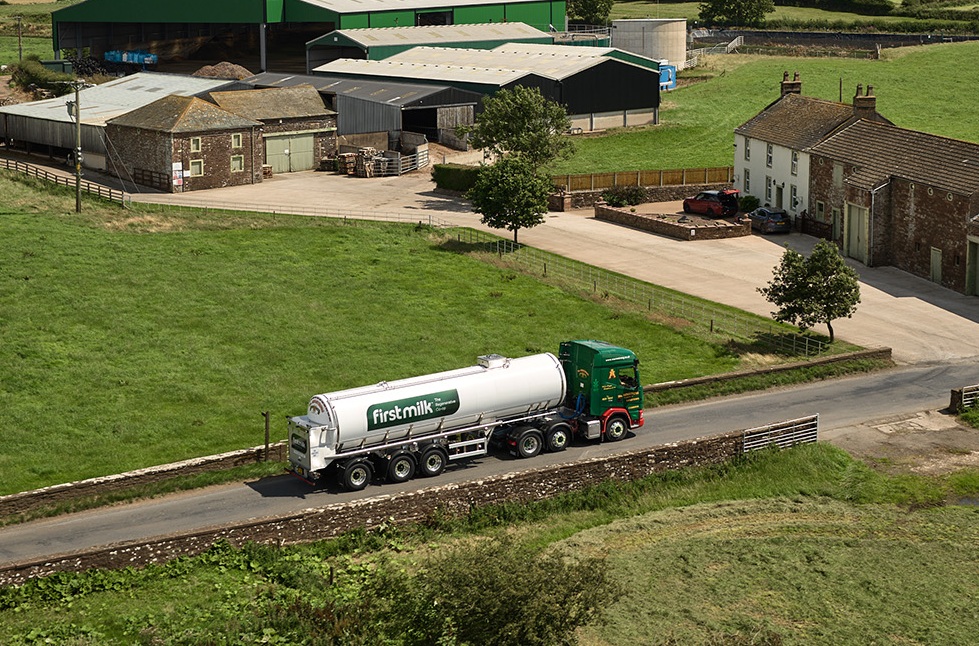
A modest price lift from First Milk has broken ranks in an otherwise cautious dairy market, as processors brace for the impact of spring volumes.
The farmer-owned co-operative has confirmed its manufacturing standard litre will rise by 0.5p per litre to 30.75ppl from April 2026, including the member premium.
The increase comes as wider market signals remain subdued, with global supply elevated and commodity markets still under pressure.
By contrast, Arla has opted for stability in March, holding its conventional milk price at 33.98ppl and its organic headline price at 57.98ppl as high global supply and soft commodity markets continue to weigh on returns.
First Milk’s uplift narrows the gap slightly with Arla’s conventional price, though it remains below its larger rival.
Commenting on the move, First Milk director and vice-chairman Mike Smith said the rise would offer some support to members facing sustained cost pressure.
“The current milk price environment continues to place considerable pressure on farming businesses, and we are pleased to be able to deliver this increase at this time,” he said.
However, he cautioned that volatility remains a risk as peak production approaches.
“Markets remain uncertain, and the outlook over the coming months is likely to be influenced by milk volumes during the spring flush.”
The co-operative said it remains focused on driving efficiencies and controlling costs in order to strengthen farmgate returns.
“We remain firmly focused on maximising efficiencies across the business, reducing costs where we can, and working hard to secure the strongest possible returns from every litre of milk,” Mr Smith said.
Alongside the price rise, First Milk will introduce an emissions bonus from 1 April, replacing its existing production bonus. Payments will now be linked to each member’s annual carbon footprint results.
The shift marks a clear move away from volume-based incentives towards carbon-linked performance, reflecting growing pressure from customers and government for measurable environmental progress.
“Reducing emissions is increasingly important to our customers, their customers and government,” Mr Smith said, referencing the co-operative’s 2040 net zero target.
“It is important our incentives recognise and reward members’ efforts, and that our emissions strategy keeps pace with the carbon reduction and removal outcomes being achieved on farm.”
With European milk supplies still strong and commodity markets subdued, the coming months will test whether this increase signals firmer pricing ahead — or simply a brief uplift before spring volumes reshape the market.




