




Protecting valuable grain
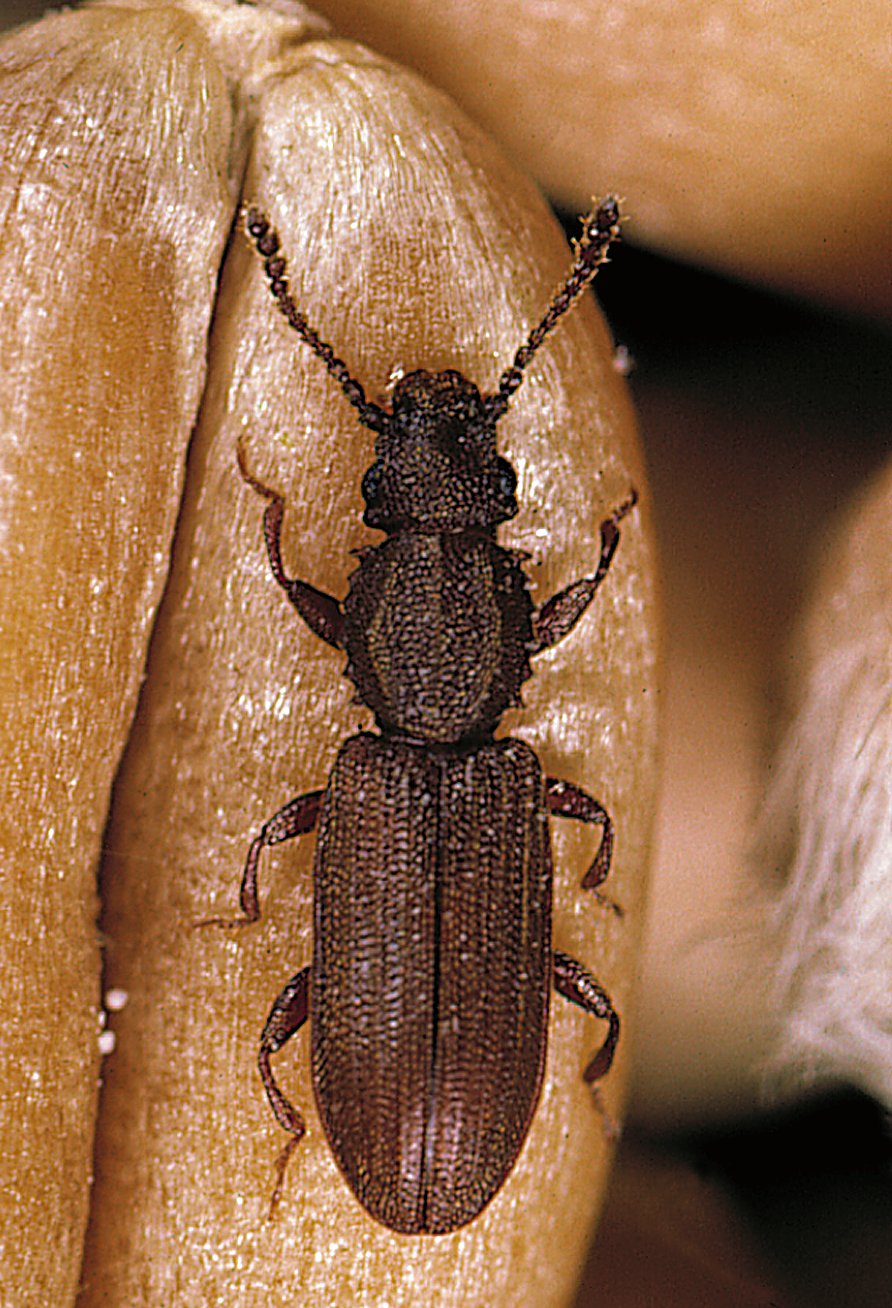
Following a difficult, protracted and sometimes wet harvest, growers should make sure that they keep a close eye on their grain stores and treat with Silico-Sec before grain pests add to the problems and spoil the harvest. This year with excellent wheat and oilseed rape prices, growers must protect their investment in store, as loss of quality will erode potentially promising returns, reminds Interfarm UK Ltd.
"This year growers will need to be proactive in preventing insect pest and mite damage. Prevention is better than cure, and this is particularly true with high value grains. Storage pests cause direct damage to grain and also create conditions in which fungal growth can occur, all of which will adversely affect quality and returns," says Dr. David Stormonth, Technical Manager for Interfarm UK Ltd.
Silico-Sec is an ideal preventative treatment to protect harvested grain from infestations. Derived from diatomaceous earth (DE), Silico-Sec is a biophysical treatment, consisting of highly micronised specific amorphous silica (silicon dioxide), explains David. "The silica in Silico-Sec abrades and damages the cuticles of insects and mites, removing the water-proofing waxes and resulting in desiccation and death of the pests. It is a proven, non-chemical method of controlling a broad range of the common insect grain pests, including grain weevils, saw-toothed grain beetles, red-rust flour beetles, cosmopolitan food mites and flour mites. Being a biophysical product, it will control any pest, including mites, with no issues of resistance, residues or restrictions associated with chemical-based treatments."
"As a treatment to stored grain, Silico-Sec is applied to the grain surface, either as a low cost preventative treatment at a rate of 200g/m² or as a localised curative application at the rate of 600g/m², depending on the extent of the problem. It should be applied to the surface of stored grains after the heat and moisture content have been reduced within the HGCA guidelines and then worked into the top 30 cms with a rake," advises Dr. Stormonth.
"Most infestations are found in the surface layers of grain piles, as this is where the insect pests can move more easily and can access oxygen. Surface layer treatments can therefore be highly effective in both prevention and cure of pest infestations, but only if used as part of an integrated strategy for grain store management, together with temperature and moisture control."
David reminds growers that Silico-Sec is a natural, non-toxic alternative to OP treatments, which can not leave any chemical residues and can be used in conventional and organic farming systems.
Silico-Sec contains up to 96% inert silicon dioxide as a diatomaceous earth powder derived by a special process and consisting of highly micronized amorphous silica (silicon dioxide). It can be used either as a store treatment or on stored feed wheat, barley and oilseed rape (but not milling wheat as yet) for the prevention of invertebrate pests such as mites, weevils and beetles as part of an integrated storage management strategy. To treat store fabric, Silico-Sec is applied as a dry dust at a rate of 10gms per square metre. It has both protectant and curative activity. It is packed in 15-kg bags and is available exclusively from Interfarm distributors.
For further comment and information, please contact Dr. David Stormonth, Technical Manager, Interfarm UK Ltd. on 01354 741414 or 07818 036506 (mobile) or via e-mail david.stormonth@interfarm.co.uk




