




Rural villagers have internet 'slower than an Everest base camp'
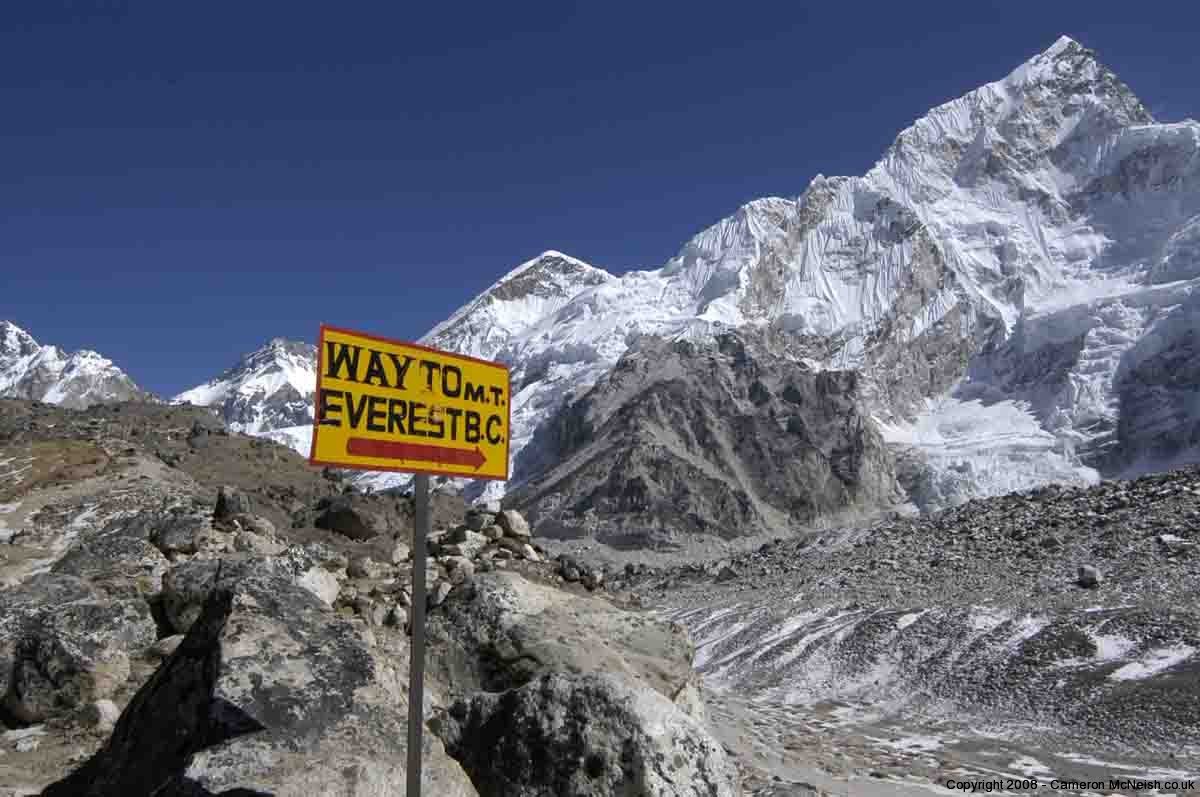
A Gloucestershire village has the UK's slowest broadband speed and the villagers would get a better connection on a Mount Everest base camp, according to a new survey conducted by Cable.co.uk.
Villages in Gloucestershire, Hertfordshire, Cumbria and Somerset have the slowest speeds with the survey saying that it would take up to 119 hours to download the latest Bond film in high definition.
Residents said their service had an average speed below 2Mbps.
The comparison site released a list of the areas in the UK that had the slowest and fastest speeds recorded. Miserden, Gloucestershire recorded the lowest speed on the survey.
The average UK broadband speed was 22.8Mbps in November 2014, the latest Ofcom figures available.
The government said it it aimed to provide superfast broadband of at least 2Mbps to 95% of the UK by December 2017.
Dan Howdle, telecoms spokesman at Cable.co.uk, said: "Digital inequality is a huge problem in the UK, both for those who suffer at the bottom end and for the UK economy as a whole.
"While the number of UK households on the right side of the 'digital divide' is increasing thanks to the continuing rollout of superfast broadband, those left stranded are finding themselves further and further behind - to the detriment of both themselves and their local economies.
"And it's not all about whether or not you can stream the latest Bond movie. Digital black holes like Ulverston, Miserden and others, unless addressed, will suffer steady economic decline as homes become less desirable, and businesses can no longer sustain themselves without an online presence.
"These often beautiful, scenic locations will become ghost towns."
A Department for Culture, Media and Sport spokesman said those below that could check whether they are eligible for a subsidised satellite connection.
"This scheme offers immediate assistance to those in the most remote areas with the slowest speeds and is all part of our transformation of the UK's digital landscape," he said.
A spokesperson for BT said: "This report doesn't give an entirely accurate picture, as fibre broadband is widely available to two of the slowest areas identified.
"Fibre is available to 93% of premises connected to Ulverston exchange and to 81% of those connected to the Brent Knoll exchange - a far cry from the 'digital black holes' described.
"This report is either based on out-of-date information or on the speeds people choose to buy rather than the maximum speeds available to them.
"For an accurate view, we'd encourage people to look at respected, independent reports by the likes of Ofcom, the EU, the International Telecommunication Union and ThinkBroadband."




