




Study explores consequences of removing reduced VAT rates on meat
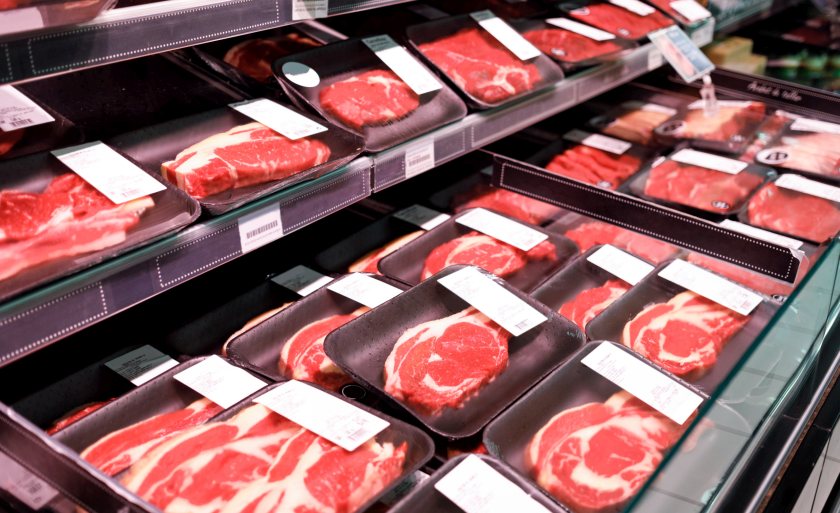
Proposals to apply full VAT to meat products could reduce the environmental footprint of food consumption, but researchers say any such move would need careful handling to avoid unintended consequences for farmers, consumers and food supply chains.
A new study suggests removing reduced tax rates on foods such as beef, pork, lamb and chicken could lower the environmental impact of diets by between 3% and 6%, depending on the measure used.
While the research focuses on consumer pricing and demand, the authors acknowledge that changes to VAT policy would have wider implications across agricultural production, farm-gate returns and market stability.
The study, carried out by the Potsdam Institute for Climate Impact Research and published in Nature Food, uses economic modelling to examine how two policy options — full VAT on meat or a carbon price on food — could affect prices, consumption patterns and environmental outcomes.
Researchers found animal-based foods account for a significant share of the EU’s dietary environmental footprint, particularly in relation to greenhouse gas emissions, land use and biodiversity loss.
They also note that pricing systems across Europe vary widely and do not consistently reflect these impacts.
At present, 22 of the EU’s 27 member states apply reduced VAT rates to meat compared with the general rate, a structure the study suggests weakens price signals linked to production impacts.
Tax treatment differs markedly between countries. In Ireland, meat is zero-rated despite a standard VAT rate of 23%. In the UK, raw meat is zero-rated, while VAT applies to cooked meat sold in restaurants or to processed products. Other EU countries apply partial reductions of between 11 and 20 percentage points.
The researchers calculated that removing reduced VAT rates on meat across the EU could cut food-related environmental impacts by between 3.48% and 5.7%.
In climate terms, this would equate to a reduction of around 30 megatonnes of CO2 equivalent each year, or roughly 5% of emissions linked to food consumption.
The impact on households would depend largely on how governments use any additional tax revenue.
Without redistribution, the study estimates average annual food spending could rise by around €109 per household. If revenues were returned to citizens through direct payments, the net cost could fall to around €26 a year.
The paper also examined the option of introducing a carbon price on food products.
While this approach could deliver greater environmental benefits at a lower net cost to households, the authors acknowledge it would be more complex to design and implement, making VAT reform more feasible in the short term from a policy perspective.
The researchers conclude that current food pricing does not fully reflect wider production impacts, and that any future policy discussion would need to be transparent about objectives and the use of revenues.
They stress that any fiscal measures would need to balance environmental goals with food affordability, competitiveness and the practical realities of farming systems.
For producers, the study highlights the growing likelihood that taxation and pricing tools may feature more prominently in future food policy debates, even if no immediate changes are proposed.




