




UK seals £3.7bn Gulf trade deal with boost for British farmers
British farmers and exporters are set to gain fresh access to lucrative Gulf markets after the UK secured a multi-billion-pound trade deal with six Middle Eastern states while maintaining domestic food and animal welfare standards.
The agreement with the Gulf Cooperation Council (GCC) — comprising Bahrain, Kuwait, Oman, Qatar, Saudi Arabia and the United Arab Emirates — is expected to add £3.7 billion to the UK economy in the long term.
Ministers said the deal would remove around £580 million a year in tariffs on British exports once fully implemented, creating new opportunities for UK businesses and strengthening trade links with one of the world’s fastest-growing import markets for premium food products.
Crucially for the farming sector, the government confirmed it would maintain existing tariffs on imports such as chicken meat, eggs and pork from GCC countries, preventing products produced to lower welfare standards from gaining preferential access to the UK market.
The NFU, which has been lobbying ministers throughout the negotiations since 2021, welcomed the decision.
NFU President Tom Bradshaw said the agreement represented a more positive outcome for agriculture than some recent trade deals.
“I’m really pleased the government has listened to our concerns and ensured we can take advantage of the strong demand in the GCC for things like lamb, cheese and oats,” he said.
He added the deal would secure “greater access for high quality British goods while safeguarding our pork, chicken and egg sectors”.
The Gulf region is already an important export destination for British agriculture, particularly for sheep meat and dairy products, where demand for premium UK produce continues to rise.
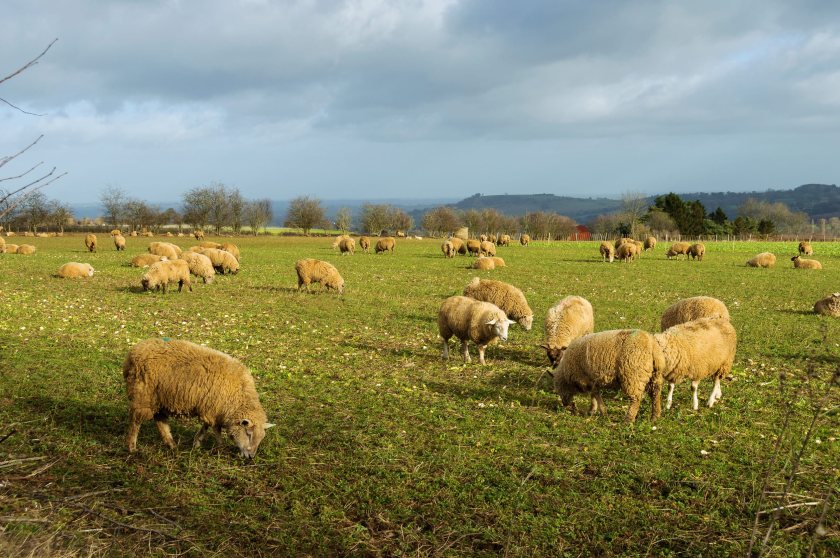
The UK exports an average of £9.4 million worth of sheep meat to the GCC each year, making the bloc Britain’s largest non-EU market for lamb. Kuwait alone accounts for more than £7.5 million annually.
Industry leaders believe the removal of existing 5% tariffs on frozen sheep meat could help British producers expand further into Gulf markets, where demand for high-quality halal lamb remains strong.
British dairy producers are also expected to benefit significantly from the agreement.
More than £99 million worth of UK dairy products were exported to GCC countries in 2025, making the region collectively Britain’s largest non-EU dairy export market.
Exports of British cheese alone reached £42 million last year, up sharply from £15.96 million in 2020, highlighting growing appetite in the Gulf for premium and speciality dairy products.
The deal is also expected to support oat exports, with Saudi Arabia currently the largest GCC importer of British oats. The UK exported more than £20.7 million worth of rolled and flaked oats to the region in 2025.
Prime Minister Sir Keir Starmer described the agreement as a “huge win” for British workers and businesses.
He said people across the UK would benefit “through higher wages and more opportunities”.
Business and Trade Secretary Peter Kyle said the agreement would provide certainty for exporters at a time of global instability.
“Today's announcement sends a clear signal of confidence,” he said.
Chancellor Rachel Reeves said the deal showed the government was “backing British firms to compete and win globally”.
Despite welcoming the agreement, the NFU warned that future trade negotiations could prove more challenging if countries with lower production standards seek greater access to the UK market.
Mr Bradshaw reiterated calls for the government to establish a set of core production standards that all imported food products would be required to meet.
“Establishing core standards as a baseline would reassure farmers and growers that the high standards they uphold won’t be undermined,” he said.
While the GCC agreement has largely been welcomed by the farming industry, sector leaders say future trade talks will continue to face close scrutiny over food standards, animal welfare and fair competition for British producers.




