




Warning issued amid 'later than normal' liver fluke challenge
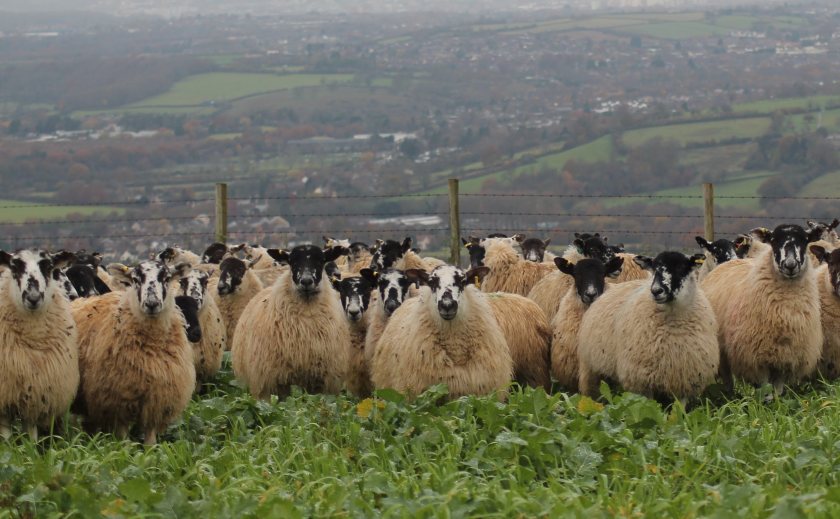
Last year's weather patterns have had a significant impact on the level and timing of the risk of liver fluke disease across the UK, experts warn.
The dry cold spring, hot early summer and wet July and August, followed by a mini heatwave in early September and heavy rain throughout the autumn and early winter, have all contributed to the disease picture.
Experts say this has pushed the fluke risk much later, with the first significant reports of losses due to liver fluke not shared until late November 2023.
This is according to the Sustainable Control of Parasites in Sheep (SCOPS) and Control of Cattle Parasites Sustainable (COWS) animal health groups.
Speaking on behalf of the groups, Rudolf Reichel of the Animal and Plant Health Agency (APHA), says there was little evidence of liver fluke activity in the autumn.
"But towards the end of the year we started to get reports from abattoirs and private post mortem providers of acute fluke cases," he explains.
"This was mirrored by other laboratories across the country and, while overall numbers of cases are not high, this does represent a significant increase in recent weeks.”
This is echoed by Dr John Graham-Brown, University of Liverpool and National Animal Disease Information Service (NADIS) contributor.
He explains that the NADIS liver fluke forecast mostly predicted low to medium risk in the normal development period.
"But the delayed threat this autumn means we are concerned some livestock farmers may get caught out," he says, "Either because they treated too early or have had negative test results earlier in the autumn and think they are safe.”
Dr Philip Skuce from the Moredun Research Institute also fears some farmers may have a false sense of security. He urges them to continue with testing in early 2024.
“Flukicides do not have any residual activity, which means there is no protection for treated livestock if they meet a challenge from fluke later in the season.
"The risks are so farm-specific this year that the only way to avoid potential losses is to keep testing," he says.
Rebecca Mearns of the Sheep Veterinary Society (SVS) has seen a steady increase in the number of people using the Elisa blood test this year.
Until quite recently, most samples were negative, she says, adding: "In common with post-mortem data and increases in liver condemnations in November and December, we are seeing more positive samples coming through.
"Do not rely on an early negative test. If you keep livestock, you need to keep testing throughout the season.”
SCOPS and COWS reiterate their note of caution to anyone thinking of trying to cut the cost of diagnostic tests by pooling samples.
For faecal egg counts the whole pooled sample is processed, so the sensitivity remains comparable with testing individual samples.
For blood tests and copro-antigen tests, individual samples should be tested, both groups explain.
Faecal egg counts are also likely to pick up infections with rumen fluke, but normally this is nothing to worry about, they add, and animals should not be routinely treated for adult rumen fluke.
If animals are looking poor, losing weight or are dehydrated, farmers should speak to their vet about risks from immature rumen fluke.




