




BBC issues correction after viral clip misrepresents UK pig farm sizes
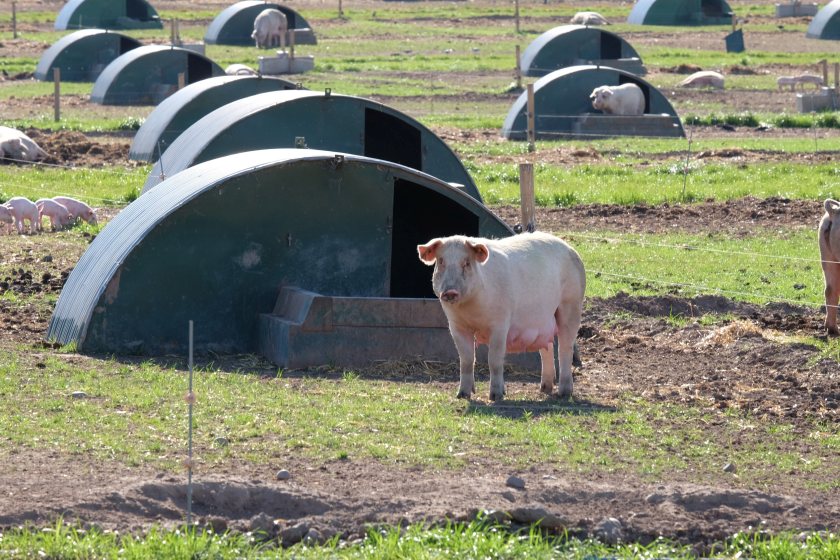
The BBC has issued a formal clarification after a widely shared podcast clip about the size of UK pig farms was found to contain incorrect claims, raising fresh concern within the farming sector about how agriculture is portrayed in the media.
The disputed comments appeared on an earlier episode of Radical with Amol Rajan, in which Lake District farmer and author James Rebanks claimed that “100,000 pigs isn’t a big pig farm anymore” and suggested that four or five farms produced most of the UK’s pork.
The clip, viewed hundreds of thousands of times across BBC social media channels, remained online as industry representatives challenged the accuracy of the remarks.
Mr Rebanks later acknowledged he had misspoken, insisting he “wasn’t trying to denigrate pig farmers” or “mislead”. He said he had used the word “farms” when he meant “producer/processors”, adding: “I’m sorry.”
His clarification did little to ease industry frustration as the clip continued to circulate, prompting the National Pig Association (NPA) to write formally to the BBC requesting its removal.
NPA public affairs manager Tom Haynes said it was “simply erroneous to suggest there are any farms in the UK anywhere close to having 100,000s of pigs on them”.
Citing government data, he said the average UK pig unit has 476 pigs, or 938 when holdings with fewer than 10 pigs are excluded. To put the scale in context, the association also highlighted the extensive regulation governing pig and poultry farms, noting that units with 2,000 places for production pigs or 750 sow places must hold an environmental permit from the Environment Agency.
Industry groups warn that misleading claims about livestock numbers risk distorting public understanding of modern farming and influencing policy debates around livestock production.
In its formal response to the NPA, the BBC said: “We acknowledge that what James Rebanks said about the numbers of pigs on individual UK pig farms was incorrect, as he has himself.”
The broadcaster confirmed the inaccurate section had been removed from the episode on BBC Sounds and iPlayer, with a note added to the description and related social media posts taken down.
The NPA said it welcomed the correction and would continue working with broadcasters to ensure future coverage of British farming remains accurate and grounded in evidence.




