




BP2015 sets its sights on potato industry opportunities for growth
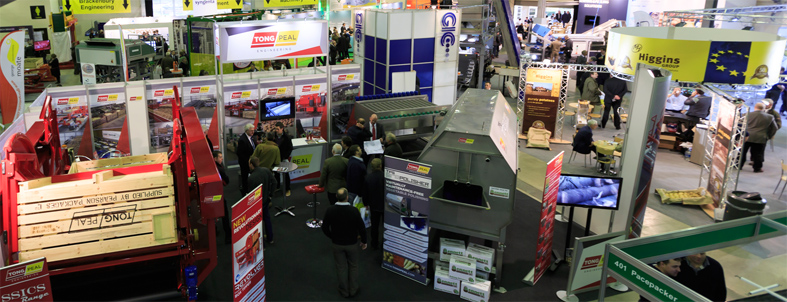
Fresh, or processed, potatoes compete for consumer attention in a cut-throat market. But new initiatives can do much to exploit some real opportunities for growth, visitors to AHDB Potatoes’ BP2015 event 12 & 13 November will hear.
Helping consumers better understand what is on offer is a key goal. “Aldi and Lidl, for example, have been very good at recognising the difference between choice and confusion, something the retail sector and the whole industry has failed to recognise for over 20 years, providing an endless stream of varieties and expecting consumers to know what to do,” says Rob Clayton, Strategy Director at AHDB Potatoes. A simpler and more streamlined offer is starting to run through all retailers.
In the processing sector convenience remains a huge driver. “Retail data shows big opportunities exist there to be captured and AHDB has a role to point out those opportunities and the pathways to realising them.”
Visitors to BP2015 will hear about a new three year £2.5m (€3.6m) marketing campaign, co-funded by the EU, is specifically targeted at 22-44 year-old women, and especially those aged 25-34, who are the least likely to buy potatoes and actually reduced their consumption by more than 5% in the ten years up to 2012.
“There is a misconception that potatoes are fattening and need to be reduced in the diet, but it is more about how they are prepared,” says Nick White, Head of Marketing and Corporate Affairs at AHDB Potatoes. “Busting such health myths is essential.”
“We need to excite young shoppers and show them that potatoes are surprisingly good; not only a relevant and convenient food, but healthy, tasty and versatile too.” Quick, easy, tasty recipe ideas are crucial to get onto meal repertoires, which increasingly feature pasta and rice as conduits for worldwide flavours.
Processed sector
Against the backdrop of the Government’s productivity plan for the nation, the processing sector sees great opportunity for growth within the UK, says Sharon Hall, Director General of the Potato Processors’ Association.
“Processors are the largest customer for British potatoes, using 1.7million tonnes a year, and with customers turning to ever more convenient alternatives, processors are a key market opportunity for growers” she says.
“The sector is in a good position to deliver growth because of the strong relationships built over time, and the fact that potato growers are extremely proficient, innovative and highly dedicated,” she says.
Innovation will continue to play a key role, through development of novel products and more convenient ways of offering firm favourites, such as McCain Ready Baked Jackets, which have seen strong growth since their 2012 launch, growing the category and continuing to offer consumers increased choice. “More consistent, more tasty products that consumers want to eat, is our goal.”
Exports offer potential too, crisp sales to Australia, the US, EU and United Arab Emirates in particular trading on their ‘Britishness’ to claim over £70m of sales and 12% year on year growth.
To remain competitive the UK potato processing industry relies on a sustainable supply of high quality raw material to meet the current and future demands for its products, she notes.
She sees BP2015 as a key event. “It is a great place to hear about the latest developments, best practise and stewardship, and gives the whole supply chain an excellent opportunity to network and get a good feel for what is happening.”
Fresh sector
Declining fresh sales remain a challenge, but one the sector is addressing, says David Walker, chairman of the Fresh Potatoes Suppliers’ Association. Indeed, the industry has progressed greatly since BP2013, with its appalling legacy of the tough 2012 autumn, when so much crop was left in the ground.
“Prices eventually responded, but deflation has returned, with tough farm-gate prices, and whilst the supply and demand cycle is partly to blame, and recognised as something to weather, there is also an awareness that only the best will survive,” he says.
The reduction in fresh produce sales is exacerbated by tough times for retailers, putting still greater pressure on the supply chain, and more pressure to contract. Packers recommend a 10-15% cut in plantings, and there is evidence of a scale-back.
At a retail level Mr Walker agrees that the plethora of choice presented to consumers needs fixing, with better information to aid use. “The range of varieties available needs to reduce, to give consumers greater clarity around choice, so they know what they are buying, to tie in with the meal in mind.”
That will help to build confidence in consistency of outcome, which when put alongside convenience of ‘rinse-and-go’ cooking can combat the misperception that potatoes don’t have a role in a mid-week 20-30 minute meal, he says.
Getting that message across through in-store promotion is the next challenge. Asda, in particular, is showing what can be done with better profiling, signalling what specific potatoes are best for.
Packers are all aware of the need for active promotion, not simply relying on retailers, he adds. “All the major packers are heavily involved in point of sale marketing and talking to the retailers, with BP2015 Gold Sponsor Branston typical of packers investing in the future.
“They are very much involved in developing the in-store marketing fixtures and packaging design, with very professional staff. They are doing a lot of things absolutely spot on, developing growers, providing information on consumer needs and working with retailers to develop fresh potato sales. It is dramatically different to 10-15 years ago, when buy-one-get-one-free was widely seen as the full extent of marketing.”
Productivity is a big focus too, with packers seeking much closer relationships with growers, and sharing lots more production data. “Producers need to ask who they will be supplying in five to ten years time, and start to align with them now, at BP2015.”
He also commends the feeling of belonging and tapping into the energy of such an event. “That boost can be as important as the networking itself.”




