




Calais border inspectors detain UK lamb — loads now cleared to return home
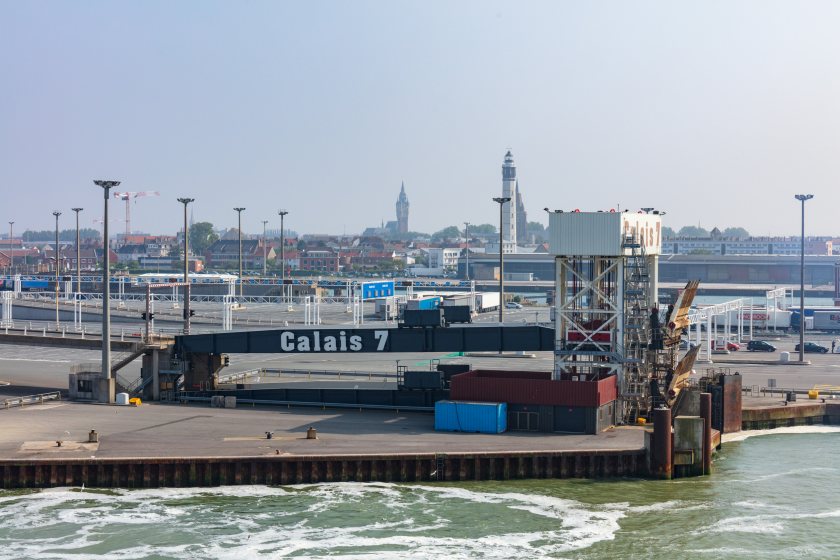
UK lamb consignments worth hundreds of thousands of pounds have been cleared to return home after being impounded at Calais, in a move welcomed by the sector as tensions over EU border checks continue to grow.
Several refrigerated lorries were detained at the Calais Border Control Post (BCP) after French inspectors reported traces of wool on individual lamb carcasses — despite the meat having been stamped fit for human consumption by Food Standards Agency (FSA) inspectors in the UK.
National Sheep Association (NSA) chief executive Phil Stocker said the organisation “wholly welcomes the news” that chief veterinary officer Christine Middlemiss had secured the release of the impounded loads, on the condition none of the product is re-exported to the EU.
One processor contacted NSA earlier in the week with lamb worth tens of thousands of pounds being held in Calais, prompting the organisation to raise the issue with both the CVO and Defra. Stocker said NSA helped “build communication” between the processor and officials, enabling a faster resolution.
But he warned exporters to tread carefully following the incident. “If we want the support of our CVO and officials in the future we must not do anything to undermine agreements and trust,” he said, urging processors not to attempt to re-present any affected product for re-export.
He also appealed to the FSA to ensure meat inspectors exercise “due diligence” given the increased scrutiny at EU border posts.
The Calais hold-up this week follows further reports in recent months of UK consignments being rejected for issues such as parasitic damage to offal and misalignment between UK and EU lead-level limits.
NSA has questioned whether the frequency of rejections may be politically linked to ongoing renegotiation of post-Brexit trade rules, though Stocker acknowledged that “we are bound by the BCP ruling” as the EU remains a crucial market for British lamb.
Exporters, he said, must now assume that checks are “very thorough” and in some cases “tighter than normal”, and ensure consignments leave no room for error. NSA is advising processors to review trimming procedures, quality control and internal inspections to minimise the risk of future detentions.
Defra is expected to raise the latest incident with EU border authorities in an effort to prevent similar disruption. But Stocker noted that “whether we like it or not they are the gateway to our marketplace”, and said the episode underlined the need for exporters to be fully prepared for stringent checks.
NSA said the incident serves as a timely reminder that compliance at EU border posts is becoming more exacting and that avoiding delays will depend on maintaining the highest possible standards throughout the supply chain.




