




Debris or not debris: The fight against fly-tipping
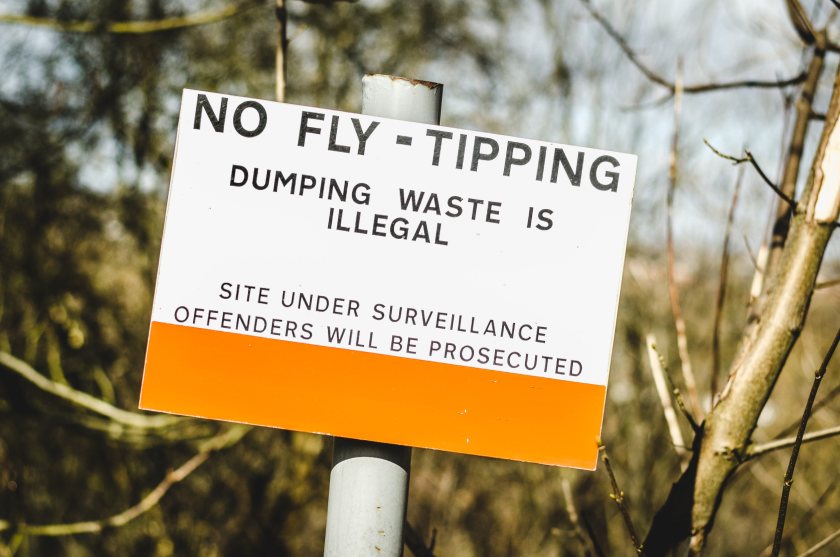
There were over one million instances of fly-tipping in England alone last year, each threatening the environment and blotting the beauty of our communities.
This issue prompted Rishi Sunak to announce stricter penalties for fly-tippers as part of an effort to combat anti-social behaviour.
The PM has proposed an increase in the maximum fine for fly-tipping, raising it from £400 to £1,000. Additionally, fines for littering and graffiti would be elevated from £150 to £500.
Waste clearance experts, SafeSite Security Solutions talks to FarmingUK about the issue, the consequences, and its remedies.
The environmental ramifications of fly-tipping are both diverse and far-reaching. The UK, a country cherished for its picturesque countryside and beautifully conserved green spaces, faces a considerable threat from the despoiling effect of fly-tipped waste.
This problem extends beyond mere visual pollution; it presents a palpable risk to the environmental equilibrium, threatening the natural habitats and ecosystems that define this country’s unique and celebrated biodiversity.
When we dissect the environmental and health impacts of fly-tipping, we’re confronted with a noxious tangle of risks and repercussions.
The effects of this hazardous waste are far-reaching, affecting the natural environment and the well-being of communities and individuals who live near these illegal dumping sites.
The environmental damage resulting from fly-tipping is multi-dimensional. When waste, particularly that of hazardous nature - such as batteries, electronic equipment and chemicals - is illegally dumped, it inevitably seeps into the soil and water sources over time.
The contaminants released can devastate local ecosystems, poisoning the soil and waterways, and cause a domino effect of harm to local flora and fauna.
The degradation of these natural resources can lead to biodiversity loss, disrupting delicate ecological balances and leaving our natural world poorer and less resilient.
The human health risks posed by fly-tipping are as alarming as diverse. Exposure to the hazardous waste often found at fly-tipping sites can lead to severe health problems.
For example, asbestos - frequently found in fly-tipped trash - can cause lung diseases and cancer when its fibres are inhaled. Similarly, illegally dumped medical waste poses the risk of infectious diseases.
The Environmental Protection Act 1990 lies at the heart of the fight against fly-tipping. The Act classifies fly-tipping as a criminal offence, bringing to bear a full range of legal repercussions designed to deter would-be offenders.
Individuals found guilty of fly-tipping can be convicted and face significant financial penalties. The fines vary depending on the severity and nature of the offence but can reach up to £50,000 in the Magistrates’ Court, and there is no upper limit in fines for cases heard in the Crown Court.
The law does not stop with financial punishments. It also empowers local authorities and the Environment Agency with the legal right to investigate and prosecute those suspected of illegal waste disposal.
This includes the power to search and seize vehicles used in fly-tipping offences under Section 34B of the Act.
The law further stipulates that individuals can be sentenced to up to 12 months of imprisonment in a Magistrates’ Court and up to five years in a Crown Court if the offence is deemed particularly egregious.
These stringent legal measures underscore the gravity of the fly-tipping issue and the severe consequences for those who disregard these laws.
The remedy to fly-tipping lies in responsible waste management and recycling. By embracing regular waste collection schedules, separating recyclable materials, and using licensed disposal facilities, we can ensure that waste does not end up dumped in the environment.
Professional clearance companies offer a comprehensive solution to waste management, encompassing all steps from collection and segregation to responsible disposal and recycling.
These professional waste clearance companies play an instrumental role in both managing and reducing the incidence of fly-tipping.
By drawing on their expertise, waste can be handled in a manner that safeguards both the environment and the health of individuals, supporting sustainable practices that contribute to preserving our shared ecosystems.
SafeSite Security Solutions sets itself apart through a sustainable and comprehensive approach to waste management. Providing its services nationwide, SafeSite is reliable and punctual.
They also offer innovative and integrated solutions that go beyond cleaning up after the event to prevent fly-tipping from occurring in the first place.
SafeSite’s portfolio of services extends from waste collection and clearance to professional cleaning and preventative measures.
This includes installing security solutions such as fencing and CCTV systems, which aim to deter potential offenders and help ensure the problem of fly-tipping is tackled holistically.
As a company deeply invested in preserving the environment and protecting communities, SafeSite Security Solutions is unequivocal in its stance against fly-tipping.
Michael Knibbs, managing director said: “Fly-tipping is not just a violation of law; it’s a violation of our collective responsibility towards our environment.
"We are committed to doing everything we can to halt this thoughtless act. Our dedicated team will always be ready to assist those affected by fly-tipping, offering fast, effective, and sustainable solutions to mitigate its impact.”
Contact SafeSite Security Solutions for a reputable partner in the fight against the menace of fly-tipping.




