




Des res hedges for birds
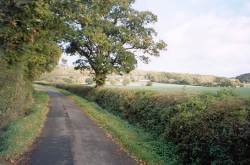
This year's Devon Hedge Week (Saturday 21st to Sunday 29th October) focuses on the importance of hedges for some of our best-loved birds.
There's a packed programme of special events around the county during the half-term break. Residents and visitors are invited to take part in the range of specialist and family activities which include farm walks and talks, demonstrations of hedgerow crafts, and hands-on training courses in traditional management skills.
Running for the 12th year, the aim of Hedge Week is to highlight the special place that hedges have in the Devon environment. It is hoped that people throughout the county will join in with the events, to find out more about why hedges are so important for birds, what types of hedge are best, and how to look after them.
Programmes containing details of the week's activities will be available from September in Libraries and Tourist Information Centres, as well as being listed on the Devon County Council web site at: www.devon.gov.uk/hedges
The event is organised by the Devon Hedge Group, with support from the Devon Farming and Wildlife Advisory Group, and financial sponsorship from a number of county-based organisations and companies.
Rob Wolton, co-chair of the Devon Hedge Group, says "Hedges are vitally important for many of our most familiar birds, like hedge sparrows, robins, blackbirds, thrushes and goldfinches. These birds, and great rarities like the cirl bunting, spend much of their lives feeding,
nesting or roosting in Devon magnificent hedge banks. During the week
we'll be letting people know how they can improve their hedges for birds and other wildlife, and providing practical advice on management."
Peter Chamberlain, also co-chair of the Group, says "Like people and their homes, most birds prefer big hedges - in fact the bigger the better. Tall and wide hedges have more food, more secure nesting
places, and more hiding places from predators. But keeping hedgerows
big, thick and bushy is a skilful business, as gardeners and farmers know. Events throughout the county will demonstrate the skills involved, explain the benefits to birds, and hopefully lead to even better wildlife habitat in the future."
The excellent network of hedges in Devon provides a home for a great many birds. In farmland and gardens, they are home to wrens, hedge sparrows (dunnocks), robins, blackbirds, song thrushes, goldfinches, blackcaps and long-tailed tits, and hedgerow trees have nesting buzzards, rooks and woodpeckers. Hedges are crucial habitats for that Devon specialty, the cirl bunting, a very rare bird elsewhere in the country. They provide a winter larder for winter visitors such as fieldfares and redwings, good hunting grounds for sparrowhawks and barn owls, and song posts for yellowhammers, cuckoos and whitethroats, to
name but a few.
A leaflet describing how hedges might be managed to benefit farmland birds will be published by the Devon Hedge Group during Devon Hedge Week. Care must be taken when managing hedges to maintain their importance, for example, by cutting them during the late autumn or winter to allow the birds to feed from their rich pickings.




