




Durham Council takes stand for farmers as rural anger over policies grows
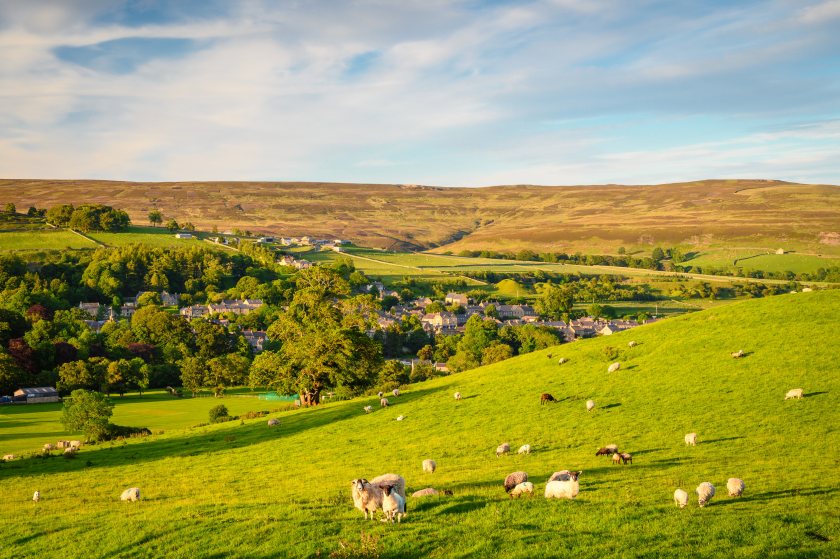
Durham County Council has delivered a forceful show of support for farming, voting unanimously to back a motion defending rural communities and committing to greater use of local meat and dairy across its services.
The move comes amid a national debate over food policy, rural taxation and environmental regulation—issues that many in the countryside say have contributed to what they describe as a “war on the countryside”.
It also follows similar votes in councils such as Suffolk, Cornwall and North Northamptonshire, countering decisions by others, including Edinburgh and Calderdale, to remove meat and dairy from council catering.
Reform UK councillor Tim McGuinness brought forward the motion, arguing that rural communities are facing mounting pressure.
He said poorly judged national policies had “hurt British farming” and urged colleagues to recognise the “huge contribution” farmers, growers and the wider food and drink industry make to the county’s economy and environment.
He warned that recent decisions by central government were putting unsustainable strain on the sector and called on the council to send a clear signal of support.
He urged councillors to stand with him “in saying to central government that we will not stand idly by – we will do everything we can to support our farmers, farming and our rural communities”.
The motion commits the council, where possible, to prioritise home-grown meat and dairy in its procurement and to explore ways of encouraging residents to buy local food. While not legally binding, it sets the direction for future purchasing decisions and local food promotion.
Reform UK councillor Scott Woodhouse backed the proposal and warned that upcoming government consultations on shotgun licensing and trail hunting could also have consequences for rural economies and community venues such as village pubs. He said the pledge was only the beginning of efforts to bolster local farming.
The Countryside Alliance praised Durham’s stance. Spokesman Johnnie Furse said the organisation was “thrilled to see such robust support for farming and the countryside”, arguing that farmers faced “unprecedented threats” from national policy.
He said the unanimous vote “sends a clear message to rural communities that they are not alone and that local government is fighting for them”.
Durham’s decision places it among a growing group of local authorities openly backing farmers and distancing themselves from moves to restrict meat and dairy in public-sector food policy—a sign of the widening political divide over the future of rural Britain.




