

EU bans 'steak' and 'bacon' labels on vegan and vegetarian products
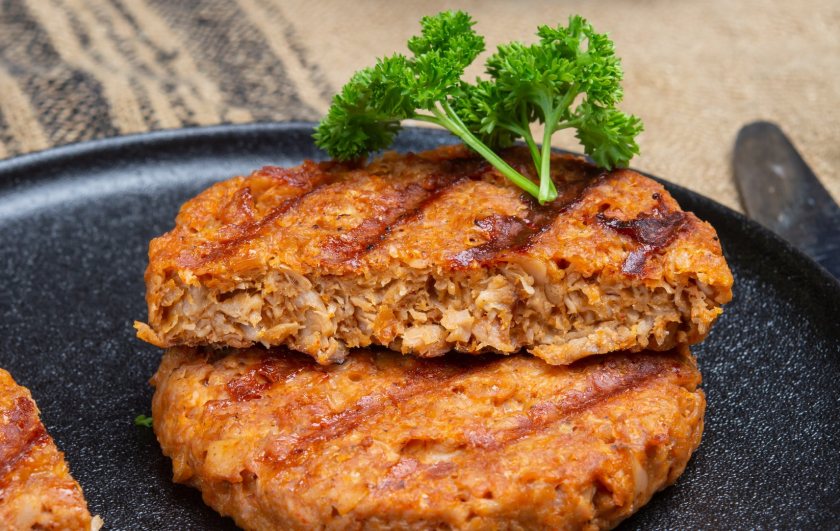
EU lawmakers have agreed to ban a range of meat-related names on vegetarian and vegan products in a move aimed at protecting livestock farmers and strengthening their position in food supply markets.
Under the agreement, negotiators from the European Parliament and EU member states decided that 31 meat-related terms will no longer be allowed on plant-based foods.
Names such as bacon, beef, chicken, drumstick, loin, ribs, steak, T-bone and wing will be banned from use when describing vegetarian or vegan products.
However, earlier proposals to prohibit labels such as “veggie burgers” and “meat-free sausages” were dropped during negotiations, meaning those terms will still be permitted.
The naming rules form part of a wider EU regulation designed to strengthen farmers’ position in the food supply chain and improve the balance of power across agricultural markets.
Céline Imart, a French centre-right MEP who introduced the amendment targeting meat-related terms, welcomed the compromise reached by negotiators.
She described the agreement as “an undeniable success for our livestock farmers”.
Imart, who is also a cereal farmer, said the decision “recognises the value of livestock farmers’ work and protects their products – the fruits of unique know-how – against a form of unfair competition”.
However, the decision has sparked criticism from some politicians and consumer groups, who argue the restrictions could create unnecessary confusion for shoppers.
Anna Strolenberg, a Dutch Green MEP involved in the negotiations, said she was relieved lawmakers rejected calls to outlaw terms such as veggie burger.
“Fortunately, the conservative word police has failed to ban the veggie burger,” she said.
However, she added that banning other words still raises concerns.
“Unfortunately, a number of other words still end up on the blacklist. That’s a shame; Europe should be backing innovative entrepreneurs, not putting new obstacles in their way.”
EU officials have defended the broader regulation, arguing it will provide farmers with stronger support within food markets.
Maria Panayiotou, Cyprus’s agriculture minister, said the reforms would help ensure a more stable future for farmers.
“By improving support for farmers and enhancing the role of producer organisations, we are giving farmers additional tools to secure a more predictable and sustainable future,” she said.
The debate reflects growing tensions between Europe’s livestock sector and the rapidly expanding plant-based food industry.
The agreement must still pass several procedural steps before becoming law, although these are typically considered formalities.