

Farm funding transforms 5,100 hectares across South Downs

Farmers and land managers across the South Downs are being invited to bid for a new round of funding after more than £3.5 million was used to support 190 projects and improve more than 5,100 hectares of land.
The Farming in Protected Landscapes (FiPL) programme has been extended for a further three years, with the next application window opening on 1 October.
Since launching five years ago, the Defra-funded scheme has supported projects across Sussex and Hampshire, ranging from new hedgerows and wildlife ponds to access tracks, historic agricultural buildings and educational farm visits.
Delivered locally by the South Downs National Park Authority, the programme is designed to support nature recovery, sustainable farming, heritage and public access.
Farmland makes up around 70% of the National Park, placing farmers and land managers at the centre of efforts to protect and enhance the landscape.
Among the work supported so far is the creation of more than 6.7km of hedgerow, providing habitat for farmland birds including yellowhammer, whitethroat, linnet and corn bunting.
More than 12.9km of access routes have also been restored or laid, while projects have helped improve chalk grassland, wetlands, ponds, river corridors and other farmland habitats.
Funding has also provided 130 “Nofence” grazing collars to support conservation grazing by cattle, sheep and ponies.
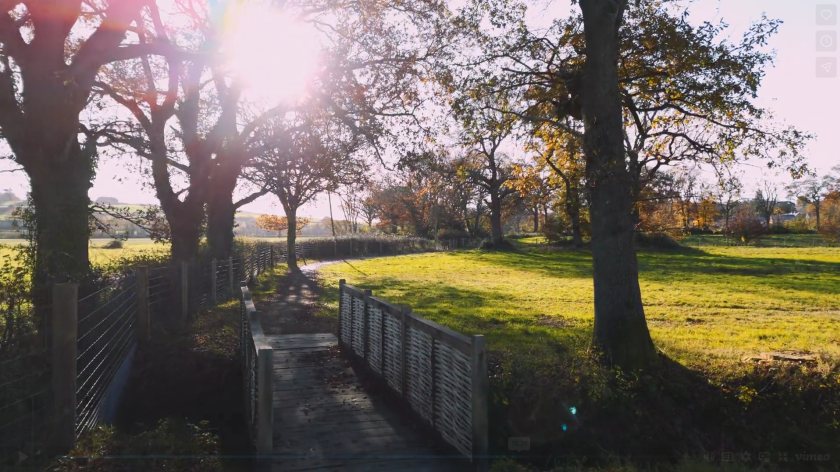
By grazing scrub and other vegetation, livestock can help increase floral diversity, which in turn supports insects and wider biodiversity.
More than 170 farm visits for young people have been supported, alongside community learning spaces, wellbeing hubs and outdoor classrooms aimed at connecting people with the working landscape.
Heritage projects have included restoring flint walls and historic agricultural buildings, protecting archaeological sites and conserving internationally important Roman mosaics at Bignor Roman Villa.
The Pasture for Life programme has meanwhile supported more than 130 South Downs farmers through mentoring, events and knowledge exchange aimed at improving grazing management.
Other projects have backed regenerative grazing infrastructure, nature-friendly farming equipment, soil carbon sampling, composting systems, water improvements and measures designed to reduce reliance on artificial fertilisers.
Composting projects alone are helping improve soil health across around 2,500 hectares.
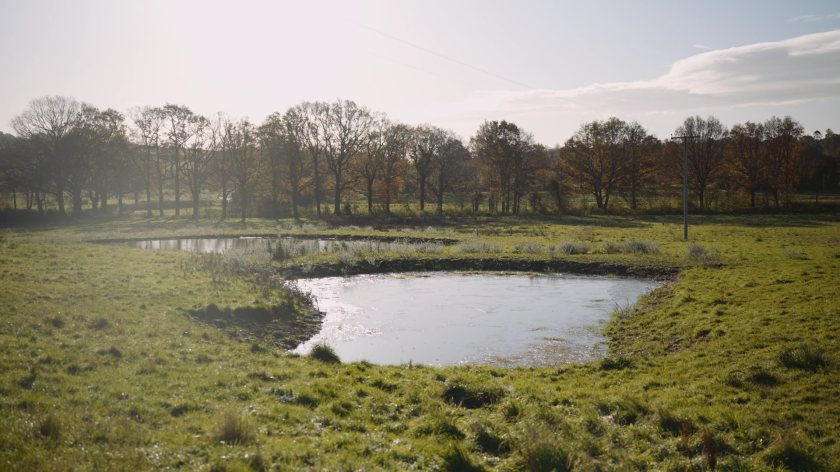
Overall, more than 5,100 hectares have benefited from activity including habitat management, conservation grazing, soil improvements, better water quality and sustainable farming.
When funding from the private sector, charities and other grants is included, the total value of the projects rises to more than £5.5 million.
Nigel James, Head of Farming and Land Management at the South Downs National Park Authority, said: “FiPL has made a real difference for farmers and landowners across the South Downs National Park.”
He said the programme had allowed farmers and landowners to pursue projects they may have wanted to undertake for some time but had previously lacked the necessary support or funding.
“What’s so valuable about the programme is that it is not just about awarding a grant and stepping away,” he said.
“Our farming team is there to talk through ideas, help shape applications and make sure projects are practical, deliverable and right for both the business and the landscape.”
One of the businesses to benefit is Moor Farm near Petworth, where Mark Chandler manages 3,500 acres of arable land and environmental stewardship.
FiPL support has helped create two wildlife ponds, fill a 300m gap in a hedgerow and plant 80 trees. A new access track and education boards have also been installed on a 16-acre site now available for public enjoyment.
Mr Chandler said: “Without the Farming in Protected Landscapes initiative, this wouldn’t have happened because this isn’t a commercial project – it’s fairly low-value farmland.”
He said balancing commercial farming with public access could be difficult, particularly where livestock worrying was a concern.
“With the kind permission of the Leconfield Estate, the FiPL funding and the mission from us as a farming business, those three things have come together and now the public have 16 acres to enjoy,” he said.
Katherine Wake, who farms The Holt Estate at Upham in Hampshire, described FiPL as a “lifeline” for farmers and land managers looking to finance projects that can be difficult to fund through other schemes.
She said support and advice from National Park project officers had been crucial to the success of the programme.
Her own experience has included a “Meet the Farmer” video designed to inform the public about the importance of cattle grazing in protecting and managing the River Itchen habitat.
Mr James said the National Park’s farming team remained involved throughout project delivery, allowing applicants to seek further advice and guidance when needed.
He added that farmers could make claims as projects progressed rather than having to wait until all work was completed, helping ease cash-flow pressures.
The next application window opens on 1 October, with farmers, land managers and eligible organisations invited to begin by submitting an Expression of Interest.
Projects are encouraged where they can demonstrate benefits for nature recovery, biodiversity, climate adaptation, heritage, public access, education, sustainable farm businesses, watercourses or farm resilience.
FiPL has been extended nationally from 1 April 2026 until 31 March 2029.
The programme will receive £30 million a year nationally, comprising £10 million in revenue funding and £20 million in capital funding, to support further projects, advice and ongoing delivery.