




Farmers face tighter sludge controls under major shake-up of water rules
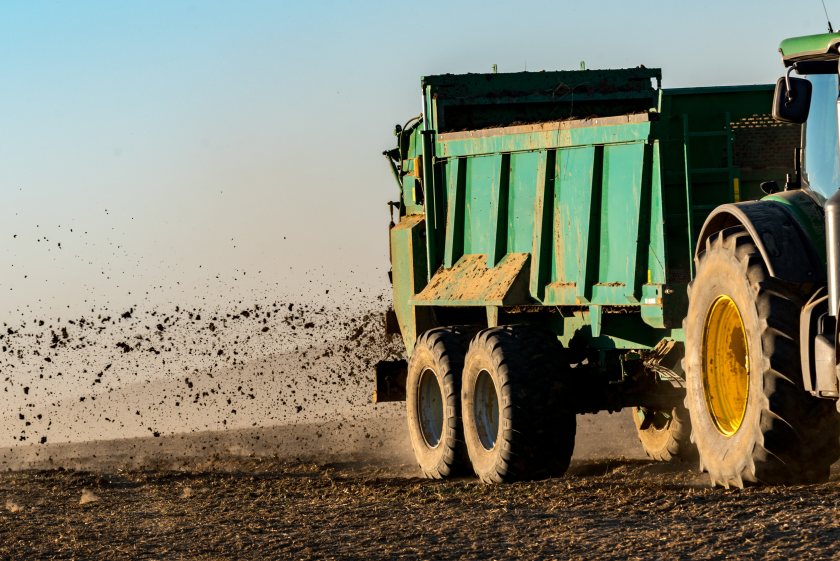
Farmers face sweeping changes to water and pollution rules under new government proposals aimed at cutting river pollution while reshaping how sewage sludge is regulated.
The plans combine tighter controls on sludge spreading with a simplification of existing agricultural water rules, in what ministers describe as a major reset of the regulatory system.
Government figures show 41% of England’s rivers, lakes and streams are affected by agricultural pollution, prompting a consultation on increasing oversight of sewage sludge use on farmland.
Options under consideration include bringing sludge under the Environmental Permitting Regulations, with the aim of strengthening protections for human health and the environment.
At the same time, ministers say current water rules for agriculture would be streamlined to remove duplication and complexity, making them easier for farmers to follow.
The measures form part of the Environmental Improvement Plan and sit alongside reforms outlined in the Water White Paper, which sets out a broader overhaul of how England’s water system is regulated.
However, the NFU warned that responsibility for reform must extend beyond the farm gate.
“This is an issue that must be addressed across the whole water supply chain,” NFU president Tom Bradshaw said in response to the consultation.
He said higher standards would only be achievable if farmers were supplied with material that met consistent quality and safety requirements.
“Investment from both industry and government in research and technology is essential to ensure the material farmers take is high quality, safe and fit for purpose,” he said.
Water Minister Emma Hardy and Farming Minister Angela Eagle outlined the proposals at a roundtable with farming, water and environmental stakeholders.
Ms Hardy said the changes were designed to support farmers rather than penalise them.
“By setting clearer guidelines and providing better support, we’re making it simpler for farmers to meet standards, farm sustainably and protect our environment,” she said.
The Environment Agency said it supports strengthening regulation around sludge use, with a preference for environmental permitting.
Jennie Donovan, the agency’s director for nature and place, said: “Our aim is to ensure that sewage sludge can be recycled to agricultural land in a safe and sustainable way.”
“These proposed changes will reduce risks to human health and tighten environmental protections,” she added.
The government said its approach to tackling agricultural water pollution will continue to focus on advice and partnership, rather than enforcement alone.
Funding has already been introduced to double the number of advice-led inspections, allowing for at least 6,000 inspections a year by 2029.
Support for farm businesses will also continue through Environmental Land Management schemes, the Catchment Sensitive Farming advice programme and targeted infrastructure grants.
Farmers currently use sewage sludge as an alternative to manufactured fertiliser, and the NFU said it plays an important role in the circular economy.
But the union warned that changes must not push additional costs onto farm businesses already under financial pressure.
“Farmers and growers are committed to caring for the environment, but regulatory change must not place additional cost burdens on farm businesses, many of which are struggling to be profitable,” Mr Bradshaw said.
He said the NFU will continue engaging with Defra and the water industry while gathering feedback from members, as the consultation process moves forward.




