




Free range comes out best again
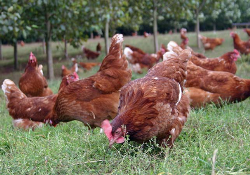
Another set of nutritional analysis tests have shown that eggs from hens that range are markedly better for health than cage eggs.
The latest research comes from an American lifestyle magazine called Mother Earth News. It tested eggs from four small flocks kept on pasture and found major differences in four categories.
It found the free range eggs had only half as much cholesterol; were two to three times richer in vitamin E; were two to six times richer in beta carotene (a form of Vitamin A) and had four times more Omega 3 fatty acids than cage eggs.
The magazine findings conflict dramatically with the view of the American Egg Board which insists "The nutrient content of eggs is not affected by whether hens are raised free range or in floor or cage operations". Officials insist that it is diet and not environment that determines the nutritional content inside the shell.
But Mother Earth News is now mounting a major campaign to get the Egg Board, which is supported by major cage producers, to change its mind.
"Now we have clear evidence that intensive confinement operations are giving us substandard food," it says, "we plan to write to the Board and ask it to remove its mis-statements about free range eggs."
The magazine is inviting free range producers to have their eggs analysed and to post the results on its website to add weight to its arguments. But it is far from being the first to find substantial nutritional benefits in free range eggs.
As the Ranger has reported before two British reports established the facts more than 30 years ago. In 1973 Ministry of Agriculture research showed that levels of B12 in free range eggs were 70 per cent higher than in intensive eggs and amounts of folic acid were 56 per cent higher. A second project in 1988, funded by the BEIC, recorded the differences as 41 per cent and 17 per cent.
Most recently in 2003 researchers from Pennsylvania State University reported that hens on pasture produced three times more Omerga-3 fatty acids in their eggs than birds in cages. They also found twice as much vitamin E and 40 per cent more vitamin A.
The vital factor appears to be that for eggs to show the major nutritional advantages the hens must range regularly.
More free range news at www.bfrepa.co.uk




