




Green Alliance report raises questions over livestock farm profitability
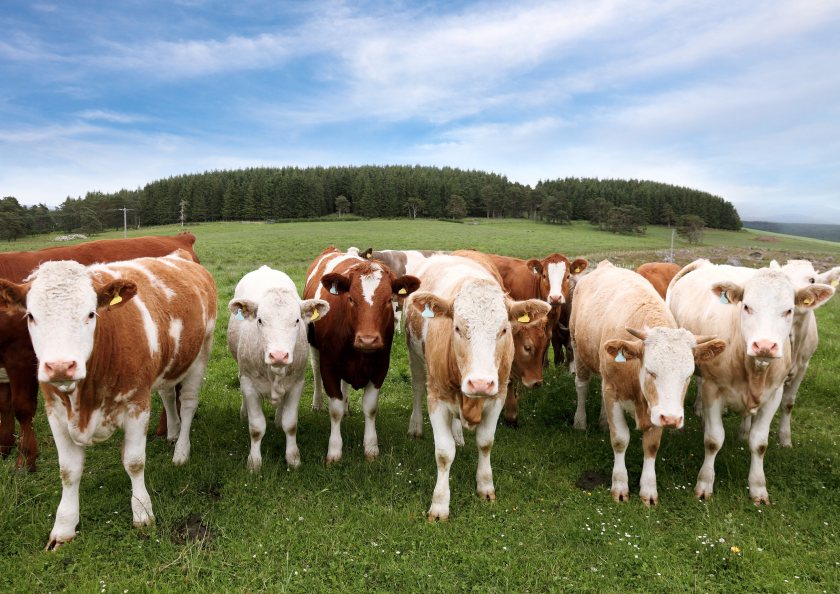
Some English livestock farmers could strengthen the long-term viability of their businesses by combining food production with environmental work, according to new research that has reignited debate over farm profitability.
Analysis by environmental thinktank Green Alliance shows that while British people are eating less meat than they were 20 years ago, domestic production has continued to rise.
Beef production has increased by 29% over the past two decades, while pork output is up 35%, despite falling consumption, according to the research published today (9 January).
The report suggests the shortfall has been absorbed by exports, with farmers supplying overseas markets even as demand at home declines.
At the same time, grazing livestock farmers have faced sustained financial pressure. The analysis found that beef and lamb production tended to make a loss between 2020 and 2024, reflecting rising costs and the historic reliance on direct payments. Lowland grazing farms lost an average of £7,925 from agriculture, while upland grazing farms lost £5,550.
The findings come as farmers gather this week for the Oxford Farming Conference, intensifying debate over whether current policy supports viable livestock businesses, healthy diets and environmental outcomes.
Despite losses on meat production alone, many grazing livestock farms have remained profitable overall due to government support.
The research shows that around half of their income in recent years has come from the EU-style Basic Payments Scheme.
Between 2020 and 2024, upland grazing farms derived 58% of their average profitable income from Basic Payments, alongside 32% from agri-environment schemes.
Lowland grazing farms earned 49% of their income from Basic Payments, with a further 31% coming from diversification activities.
However, with Basic Payments due to end next year in England, the report warns many farms face a funding gap as replacement schemes remain limited.
Green Alliance said expanding environmental delivery could help support farm incomes alongside food production.
Activities such as habitat creation and peatland restoration are expected to generate stronger returns under the government’s Environmental Land Management schemes, complementing livestock systems rather than replacing them.
Livestock farming remains central to domestic food production, rural economies and the management of large areas of grassland that are unsuitable for cropping.
Industry groups have previously warned that environmental schemes cannot replace the role of food production in maintaining viable farm businesses.
The NFU has said environmental payments can support farm incomes, but must work alongside a profitable livestock sector and deliver long-term certainty, rather than encouraging a reduction in domestic food production.
The thinktank cautioned that progress depends on the pace of delivery, with ELM schemes not currently open to new applicants.
Lydia Collas, head of natural environment at Green Alliance, said falling meat consumption should prompt a rethink of how farm businesses are supported.
“British people are eating less meat than they were 20 years ago, which is good for their health and the planet’s,” she said.
She added that if some beef and lamb farmers balance livestock production with environmental income streams, they could “actually increase the profitability of their farms”.
Collas said such an approach could also help wildlife recover, improve water quality and reduce flood risk.
The findings are likely to intensify calls for the government to accelerate the rollout of Environmental Land Management schemes, as livestock farmers look for ways to maintain food production while securing the long-term sustainability of their businesses.




