




High autumn temperatures lead to BYDV threat
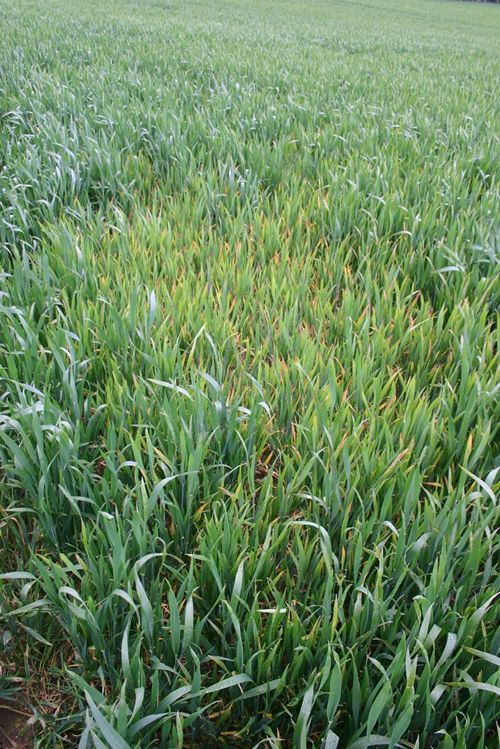
With high autumn temperatures encouraging considerable aphid activity recently, a post-emergence pyrethroid spray to protect against aphid-transmitted BYDV in cereals is now needed, advises ProCam UK Agronomy Manager, Nick Myers.
The latest Rothamsted Aphid survey shows high aphid catches and Nick reminds growers that BYDV can be serious, with losses in untreated crops being as high as 50-60% in barley and 25-30% in wheat.
"With high catches of bird-cherry-oat aphid over the last few weeks plus early sown crops of wheat, barley and oats, we must assume that there is a real threat this year," he says.
"Action should be taken by applying a pyrethroid insecticide based on beta cyfluthrin, lambda-cyhalothrin or tau-fluvalinate in order to protect crops until aphid flights cease, which is usually around mid November."
The recent report of resistance to pyrethroids is, in his view, an over-reaction, with resistance being confirmed only in grain aphid and only in one sample with no quantitative assessment.
"The situation will require close monitoring but a persistent pyrethroid should still give effective control. There is no need to routinely add in pirimicarb."
Even though some wheat and barley crops will have received an insecticidal seed treatment based on clothianidin or similar, these treatments provide protection for six to eight weeks from drilling, not from emergence, and a top-up pyrethroid will be needed soon to prevent the aphid spread within the crop, Nick advises.
Timing for a BYDV spray is determined by the ’T-sum’, he explains.
"This is accumulated temperature criterion that determines when secondary aphid migration is likely to start. The 170 C day degrees are calculated by taking the mean daily temperature, subtracting 3 and continuing to add up temperatures day by day."
When 170 accumulative degrees is reached this coincides with the time that aphids start to spread and start to produce second generations.
"For crops receiving no insecticidal seed treatment, T-sum counting should start from crop emergence. For those crops receiving a seed treatment, it should start 6-8 weeks after sowing which is when the treatments start to wear off. With the dry seedbeds it may be pertinent to start at 6 weeks this year," Nick says.
"As temperatures have been mild throughout September and most of October, untreated crops could be at risk now. Even though a cold snap is forecasted, it will need to get very cold very quickly for frosts to provide adequate control alone."




