




NatWest outlook: Why 2026 could define the future of UK farming
Farmers across the UK are being forced to make big decisions sooner than planned as 2026 shapes up to be a defining year for investment, succession and long-term resilience.
NatWest’s UK Agriculture 2026 Outlook warns that the sector is moving into a decisive phase, where choices around technology, talent and supply chain relationships will increasingly determine which businesses thrive and which fall behind.
After years of volatility, from extreme weather to rising costs, the report suggests agriculture is no longer simply absorbing shocks but confronting structural change at pace.
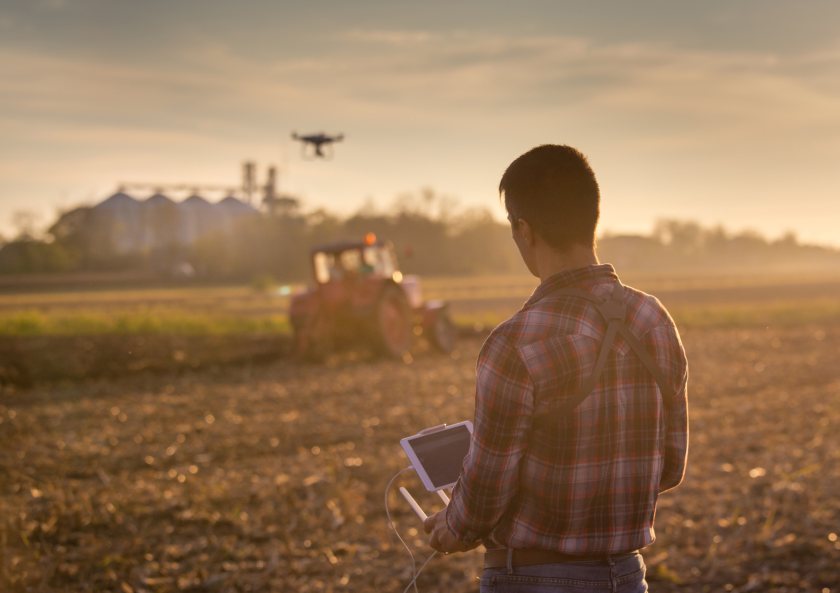
Technology is at the heart of that shift. Artificial intelligence, robotics and digital traceability are no longer theoretical concepts but practical tools already reshaping how some farms operate, influencing everything from input decisions to regulatory compliance.
However, adoption remains uneven. While early movers are embedding data into daily management, others remain cautious, weighing cost, risk and return. The gap between the two is becoming more pronounced, with the focus now on how quickly farms can adapt rather than whether change is necessary at all.
Pressure is also intensifying around skills, people and succession. A new generation is entering farming with different expectations of work, leadership and business performance, often bringing sharper commercial instincts and a willingness to challenge established norms.
Yet attracting and retaining skilled staff remains a persistent challenge, particularly as wage costs rise and rural living creates barriers to recruitment. NatWest’s outlook suggests farms that fail to prioritise people risk constraining productivity and delaying succession at a time when both are critical.
Supply chains are undergoing a parallel transformation. Transparency, traceability and sustainability are no longer optional extras but baseline requirements set by retailers and processors.
Data is becoming as valuable as physical produce, and farms that are most resilient are those treating supply chains as partnerships rather than transactional relationships. Longer-term contracts and shared risk are increasingly seen as vital tools for managing volatility and protecting margins.
Sustainability and regenerative farming are moving from aspiration to action, though progress remains cautious. There is broad recognition of the need to improve soils, biodiversity and carbon outcomes, but policy and financial uncertainty continue to slow large-scale change. Many farmers are testing new approaches incrementally, balancing environmental ambition with commercial reality.
Alongside these changes, significant headwinds persist. Inheritance tax reform is accelerating conversations around succession and capital planning, often earlier than families had expected.
Two difficult weather years have left many arable businesses under cashflow pressure, while climate risk is now viewed as a permanent feature of farming rather than an intermittent threat. Against this backdrop, the demand for clarity and consistency from government is growing louder.
Despite the challenges, NatWest’s outlook identifies a cautious sense of opportunity. The businesses pulling ahead are not always the biggest, but those that adapt quickly, collaborate effectively and maintain a tight grip on their finances. They view technology as a practical tool, invest deliberately in people and build supply chain relationships that extend beyond price alone.
Ian Burrow, head of agriculture at NatWest Group, said the sector’s direction of travel was clear. “Agriculture is at a crossroads. The choices we make now – embracing technology, investing in talent, and working together – will define the sector for years to come.”
As 2026 unfolds, productivity, resilience and sustainability are no longer long-term ambitions but immediate tests of business strategy. For UK agriculture, the challenge is not to abandon tradition, but to act decisively, using confidence, collaboration and informed investment to shape a more resilient future.




