




New toolkit aims to cut through confusion on red meat and nutrition
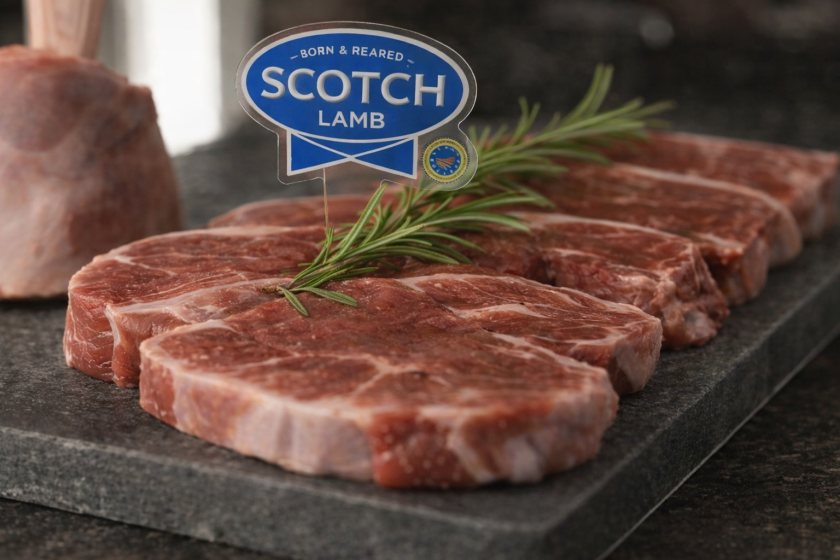
Amid rising concern over diet and nutrient intake, Quality Meat Scotland has unveiled an updated 2026 toolkit promoting the role of red meat in a balanced diet.
The refreshed 'Celebrating the Positives of Red Meat' resource is designed to support informed conversations at a time when public confidence around red meat and health is under pressure.
It provides evidence-based information on the nutritional value of red meat, while also setting out the wider environmental and economic contribution of the sector.
One of the key messages highlighted is nutrition. Average red meat consumption in Scotland is now below the recommended daily limit of 70g, with women consuming significantly less at an average of 66g per day.
The toolkit also draws attention to research showing that reducing red meat and dairy intake can increase the risk of micronutrient deficiencies, particularly among children, teenagers and young adults. The risk of zinc deficiency alone can rise by up to 35%.
Tracy Martin, reputation manager at QMS, said the updated toolkit was designed to provide clarity. “Our updated 2026 toolkit is designed to cut through the noise around red meat and nutrition,” she said.
She added: “It provides clear, evidence-based information that demonstrates how Scotch Beef, Scotch Lamb, and Specially Selected Pork contribute to a healthy, balanced diet, while also highlighting the industry’s vital role in supporting sustainable farming practices and thriving rural communities.”
The toolkit combines nutritional science with real-world examples. Scottish swimmer Lili Mundell is featured explaining how red meat helps her manage iron levels.
“Without adequate iron in the body, the muscles don't get enough oxygen, leading to fatigue,” she said. “Small changes to your diet can have a big impact on your energy and performance.”
QMS also references recent Make It Scotch research showing that almost half of Scottish women are either not confident or unsure whether their diet provides enough iron.
While tiredness was widely recognised as a symptom of low iron intake, fewer respondents identified other warning signs such as shortness of breath, headaches or brain fog.
Beyond diet, the toolkit highlights the sector’s investment in sustainable farming practices, including improving soil health, supporting biodiversity and strengthening natural ecosystems.
It also points to the red meat industry’s economic importance, with an estimated £3.5bn in output generated in 2024, supporting farmers, processors and the wider supply chain and accounting for more than 35% of Scotland’s total farming output.
The resource is aimed at a wide audience, including farmers, processors, educators, retailers and community groups, and includes infographics, digital assets, videos and recipe inspiration.
It forms part of QMS’s wider outreach work, supporting cookery demonstrations, Eat to Compete sessions and educational events delivered by Make It Scotch ambassadors across Scotland.
QMS said the toolkit is intended to help ensure conversations about red meat are balanced, informed and rooted in evidence as consumers make choices about their diets.




