




NFU calls for legislation to ensure UK food self-sufficiency does not fall
Global challenges such as a volatile climate and economic instability emphasis the urgent need to boost UK food production, the NFU has said.
The government has been told to pass legislation which ensures the UK’s self-sufficiency does not drop below its current level of 60%.
The NFU has made the call on the day (9 August) where the larder would run empty if the public only ate food produced in the UK from 1 January.
It follows a year which has already seen UK agri-food inflation rise to 19.2%, and global instability caused by the ongoing war in Ukraine.
Bouts of extreme weather is also a major issue. The UK saw the driest February since 1993, the hottest June on record and then unseasonal heavy rain which persisted throughout most of July and early August.
Meanwhile, the recent ending of the Black Sea grain initiative has caused more uncertainty for the global crop market.
The NFU warned the government that it needed to take UK food production more seriously and ensure food was given the same political prioritisation as the environment.
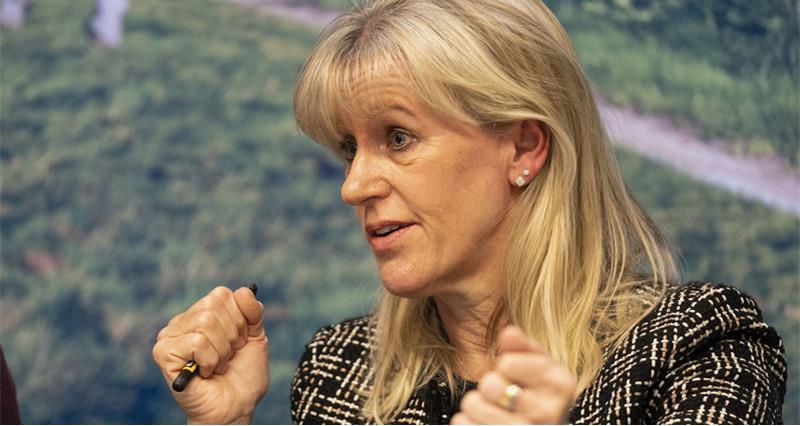
The union's president, Minette Batters, said she had never known such volatility in the global food system.
"Climate change is wreaking havoc on food production across the world, with farmers in Southern Europe literally fighting fires while farmers here are despairing as they now must spend thousands of pounds to dry sodden grain.
“At the same time, the conflict in Ukraine is putting pressure on the global grain market," she warned.
Ongoing inflation of input costs such as energy and fertiliser have meant that, for many, this year has already been expensive to produce food.
On top of the domestic weather records that have been broken this year, the NFU said it had been the most expensive arable harvest 'in generations'.
Mrs Batters added: “It is clear that our food supply chains need to be better prepared and more resilient to dealing with global shocks and the extremes of weather that are fast becoming the norm.
"While we will always be a trading nation in food, we cannot remain over-reliant on imports when other countries are also facing significant challenges economically and climatically.
"We need to be able to produce more of our own food at home, regardless of what else is going on in the world.
"Today puts that into context as it marks the day of the year we would run out of food if we only had access to UK produce."




