




NFU Scotland ramps up pressure on ministers over 'misleading' food labels
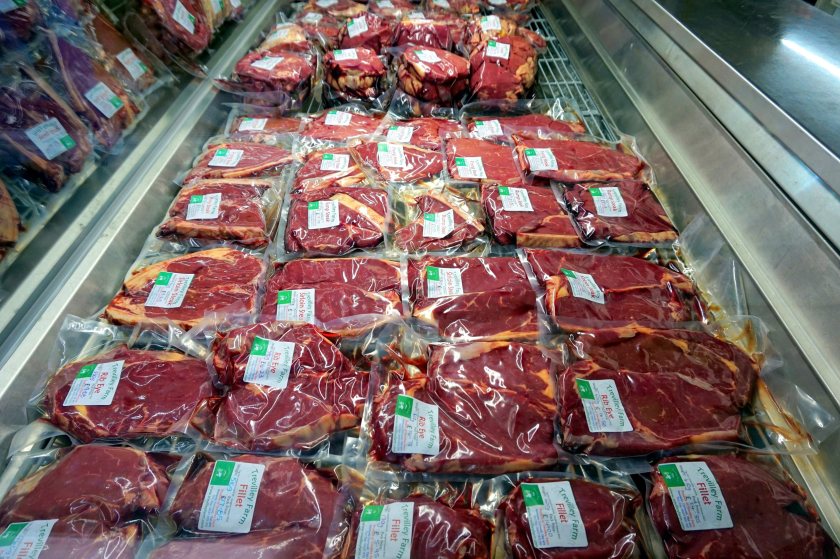
NFU Scotland has called on the UK government to urgently overhaul food labelling rules, stepping up pressure on ministers as politicians and industry figures prepare to gather in Glasgow.
The demand follows the publication of a new policy paper which warns that current labelling regulations are failing both consumers and producers.
The timing is deliberate, with the paper released on the eve of NFU Scotland’s 2026 AGM and Conference, taking place in Glasgow on 5 and 6 February.
NFU Scotland president Andrew Connon said shoppers want clarity about the food they buy but are being poorly served by the existing system.
“Consumers in Scotland care deeply about where their food comes from, but they’re being let down by vague and misleading labels,” he said.
The union says the issue will be pushed directly with government representatives, with Kirsty McNeill MP, the UK government’s Minister for Scotland, due to address members at the event.
According to NFU Scotland, world-class produce from British farms is too often disadvantaged in the marketplace. Mr Connon said food is “too often undermined or co-mingled with imports that don’t meet our standards”.
The policy paper, Fair Labels, Fair Markets, highlights a clear gap between public expectations and reality, showing that more than 80% of consumers say food origin matters to them, while fewer than half feel they can easily find that information when shopping.
Mr Connon said the paper sets out a practical route forward. “We’re asking government and relevant agencies to back honest labelling, support domestic production, and give the public the transparency they deserve,” he said.
NFU Scotland is calling for clearer country-of-origin labelling wherever food is sold, including the out-of-home sector, alongside tighter rules for processed meat to ensure origin is not lost through processing.
It also wants country-of-origin information made prominent on packaging, rather than hidden in small print, and an end to vague terms such as “mixed origin”, which it says confuse consumers.
The paper raises further concerns about the misuse of Scottish branding and national flags on imported products, as well as marketing that relies on fictional farm imagery.
Other proposals include legal protection for traditional meat product names, tougher enforcement of labelling rules and greater transparency around how those rules are applied.
NFUS chief executive John Davidson, who led the development of the paper, said the issue affects everyday choices across the food system. “These aren’t abstract principles, they affect everyday decisions in shops, restaurants and supply chains,” he said.
He described the current framework as “messy and inconsistent” and said the union is seeking “a reset that protects integrity and builds trust”.
Mr Davidson said NFU Scotland is keen to work with government and industry to deliver reforms that support food security, sustainability and local sourcing.
“We’re not asking for more red tape, we’re asking for better rules, applied fairly and transparently,” he said, adding that the union hopes the UK government will “show leadership on an issue that unites producers and the public”.
NFU Scotland said it expects food labelling reform to remain a key focus beyond the AGM, as it continues to press for greater supply chain fairness through initiatives such as its ShelfWatch campaign.




