




Oilseed rape makes a bold move up the gross margin league table
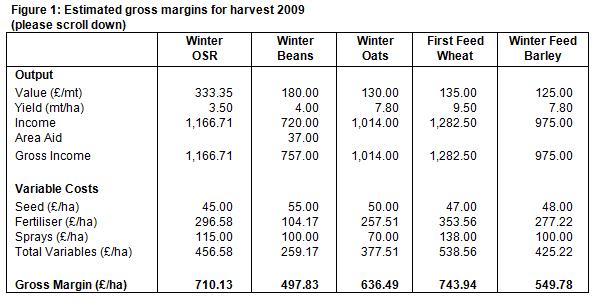
With the rising cost of farm inputs, particularly rocketing nitrogen prices, playing on the minds of arable farmers, some are wondering how they are going to safeguard their margins next year. For many, an increased acreage of oilseed rape may offer the perfect solution.
The price of fertiliser has risen sharply over recent months, with the cost of nitrogen increasing to well in excess of £300 per tonne. With world oil and energy prices also continuing to increase, these rising input costs show no signs of slowing. In fact, the situation has become so severe that many arable farmers are unsure which way to turn and still haven't made up their minds on which crops to plant for the 2009 harvest.
Richard Elsdon, technical manager for United Oilseeds, believes that many farmers are leaving it later than usual this year to decide what route they should take. Mr Elsdon explains: "Many farmers still haven't decided which crops they are going to grow next season and look like leaving their decision until the last minute. But this is completely the wrong thing to do. The rise in input costs shows no signs of slowing and as such, farmers should decide now which crops to grow and buy the necessary inputs as soon as possible – before prices increase any further."
Growers should also ensure that they grow those crops with the highest gross margins. A recent analysis by United Oilseeds of variable costs versus gross output for a range of winter crops has shown that oilseed rape is by far one of the most profitable crops and is only beaten into first place by first feed wheat by the narrowest of margins. "Our analysis of the estimated gross margins for the 2009 harvest has shown that a field of oilseed rape could earn a gross margin of £710. This compares very favourably to returns from harvests in recent years and is nearly as competitive as first feed wheat at £744" states Mr Elsdon.
"Oilseed rape is therefore not only a serious contender for the best break-crop this year, but is also a viable option in its own right. The additional costs of dealing with volunteer plants after crops such as oats adds further to the viability of oilseed rape as the best break-crop. And with black-grass control becoming more expensive and less effective in second and subsequent cereal crops, oilseed rape looks even more attractive this autumn."
United Oilseeds is therefore advising growers to plant more oilseed rape this autumn and to sell their crop forward as early as possible whilst prices remain firm and to buy their fertiliser requirements at the same time. "By buying their fertiliser at the same time as selling their crops, farmers will lock in a price for their crop that will achieve a sustainable margin and at the same time fix the price of their nitrogen which is likely to remain their biggest and most volatile cost," Mr Elsdon continues.
"And once farmers have decided to grow more oilseed rape, they should buy their seed quickly before currency rate fluctuations take effect and cause prices for imported seed to rise. Growers should also give careful consideration to how they are going to sell their finished crop. United Oilseeds is still offering farmers the chance to sell their oilseed on a produce of a hectarage basis, thereby removing the threat of defaulted payments that some fixed tonnage contracts can impose. What is more, with the option of selling via the United Oilseeds pool pricing system, growers have every chance to maximise the value of their crop by protecting themselves from the market's volatility."




