




On-farm stamping back on the agenda
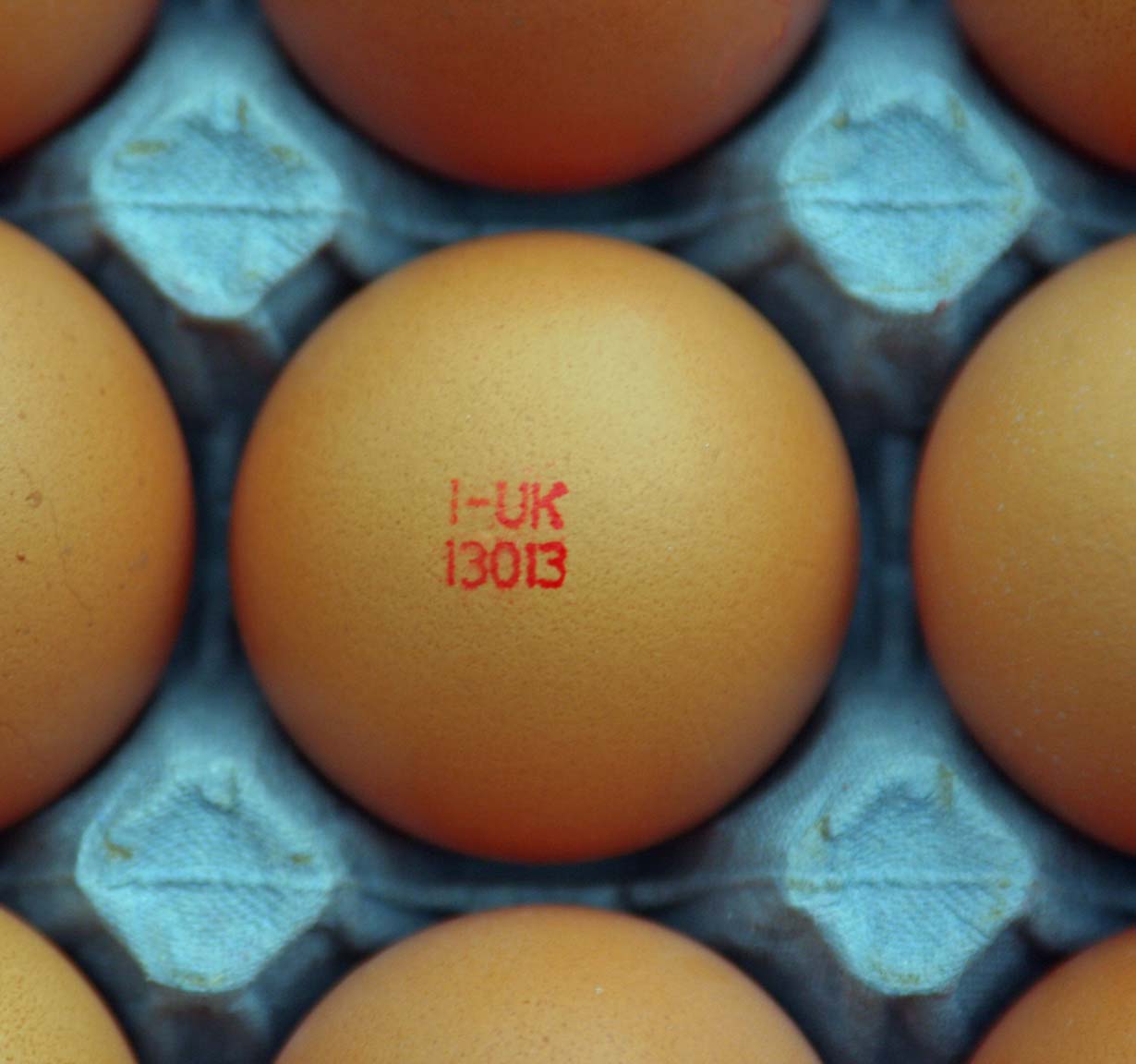
Less than four years after overturning an EU proposal that would have forced producers to stamp eggs on the farm, the UK egg sector is now contemplating introducing the procedure.
Compulsory marking of eggs with a code depicting production-type and country of origin—along with the individual producer code—became mandatory under EU egg marketing rules from January 2004. But, following successful lobbying by the UK, the regulations allowed for this to be done at the packing centre as an alternative to stamping the eggs at the farm of origin. The result was that nearly all eggs now leave farms unmarked.
The UK egg industry, however, is now considering introducing on-farm stamping as a means of tightening up procedures in the wake of the free range fraud scandal that rocked the sector last year. As previously reported by the Ranger, up to 500 million imported battery eggs were allegedly sold as free range during a scam which may have been in operation for five years—the ending of which led to a jump in producer price as the market tightened almost overnight.
At the forefront of the stamping talks now going on is BFREPA. While chairman Tom Vesey acknowledges that the introduction of stamping eggs on the farm is fraught with difficulties, he believes that the Association would be failing in its duty if it didn't give full consideration to any steps that reduce the risk of fraudulent activity.
"The same obstacles exist now as they did when we were so opposed to the introduction of compulsory on-farm stamping—namely the costs involved and the practicality of carrying out the operation, particularly on smaller farms," says Tom.
"However, at the time we did not have the benefit of the knowledge we now have regarding irregularities in the market place and it is time to revisit the issue."
But Tom has pledged that no decisions will be taken without full consultation of members.
"The introduction of on-farm stamping has massive implications for producers," he said. "Nobody doubts the role it would play in reducing the opportunity for fraud but there is a big cost attached.
"In addition to the initial cost of the equipment there's the ongoing labour charge, particularly on farms where automation is minimal. What we have to do is carefully look at these costs and weigh them up against the potential benefits."
Whilst newer and larger free range units equipped with farm packers—estimated to represent only 10 per cent of production—will be able to adopt on-farm stamping relatively easily, major problems could exist for producers with smaller flocks.
"Anyone with several small flocks—and there are still a lot of producers in that category—will be faced with either the cost of investing in multiple egg printing equipment or double handling the eggs at a central collection point," says Tom. "This must be taken into consideration."
The BFREPA council convenes later this month to discuss the issue at a meeting which will also include a demonstration of the type of printing equipment available. The Association's views will then be taken forward to a special working group set up by the British Egg Industry Council.
BEIC deputy chairman, Andrew Jorêt, commented: "In many ways this decision is in the hands of the free range sector.
"Cage eggs are generally produced on large automated sites which should be able to implement egg stamping without too much difficulty and packers are likely to support the move provided that farm stamping can be carried out to a satisfactory quality and in a way that still permits ink-jetting of the Lion and best-before date at packing centres."
This information is currently printed on the side of the egg whilst on-farm marking would involve stamping the top of the egg.
As reported in the Ranger last month, Defra's Egg Marketing Inspectorate is convinced that on-farm egg stamping would play a major role in preventing fraud.
"Marking on-farm would be the most significant step towards making fraud more difficult to perpetrate and easier to detect," says the EMI.




