

Poultry farmers face litter crisis as three biomass plants risk closure
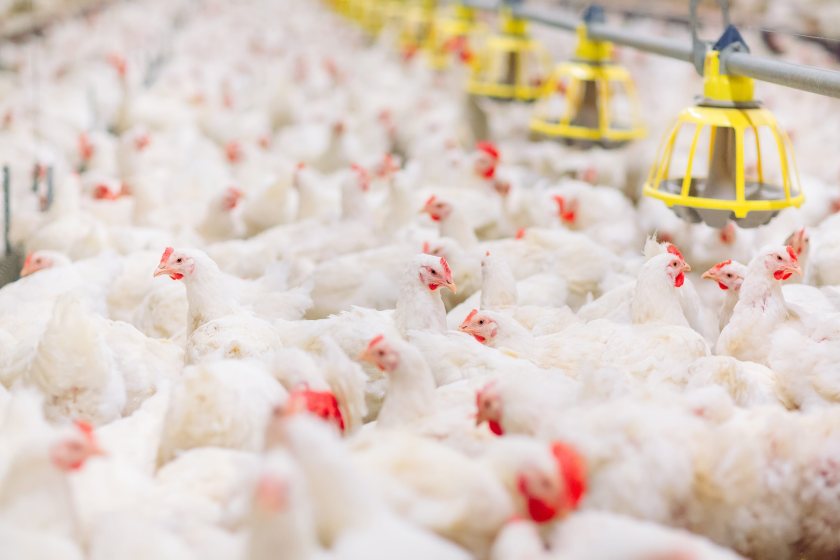
Poultry farmers could lose a vital disposal route for around 650,000 tonnes of litter a year as three major biomass power plants face possible closure in 2027.
The NFU has warned of uncertainty surrounding Melton Renewable Energy's facilities at Thetford in Norfolk, Eye in Suffolk and Westfield in Fife.
Together, the plants burn approximately 650,000 tonnes of poultry litter annually, turning agricultural waste into renewable electricity and fertiliser.
Their potential closure could leave affected poultry producers facing higher transport, storage and handling costs as they search for alternative disposal arrangements.
The threat follows the planned expiry of government support for biomass facilities with a capacity below 100 megawatts from April 2027.
The plants currently benefit from the Renewables Obligation scheme, which supports renewable electricity generation, but the operator has warned that its facilities could become financially unviable without continued support.
According to the NFU, Melton Renewable Energy informed suppliers earlier this year that it intended to begin a three-month consultation in January 2027 unless government policy changes, with possible closures from March.
The consequences could extend beyond poultry waste management, with the plants also supplying electricity and producing nutrient-rich ash used as agricultural fertiliser.
Melton Renewable Energy says its wider biomass operations produce around 70,000 tonnes of phosphorus and potassium fertiliser annually, helping reduce reliance on imported products.
The company has also raised concerns about the environmental consequences of losing its poultry litter processing capacity.
In written evidence submitted to Parliament in March, Melton Renewable Energy chief executive Eddie Wilkinson warned that closures could lead to "increased biosecurity risks and additional costs and operational pressures on poultry producers".
The operator has also warned that more untreated poultry litter could be spread on agricultural land, potentially increasing the risk of nutrient runoff and water pollution.
Defra has previously acknowledged the potential environmental consequences of biomass support ending, while pointing to existing regulations governing the storage and spreading of agricultural waste.
In response to the closure threat, the NFU has launched a survey to establish how heavily poultry businesses depend on the three plants and what losing them could mean for their operations.
The union is seeking information from affected producers to help shape its policy response as uncertainty continues over the future of the facilities.
Poultry farmers have until 3 December 2026 to submit their feedback, ahead of the proposed consultation in January.