




Scottish sheep farmers warn national flock is shrinking
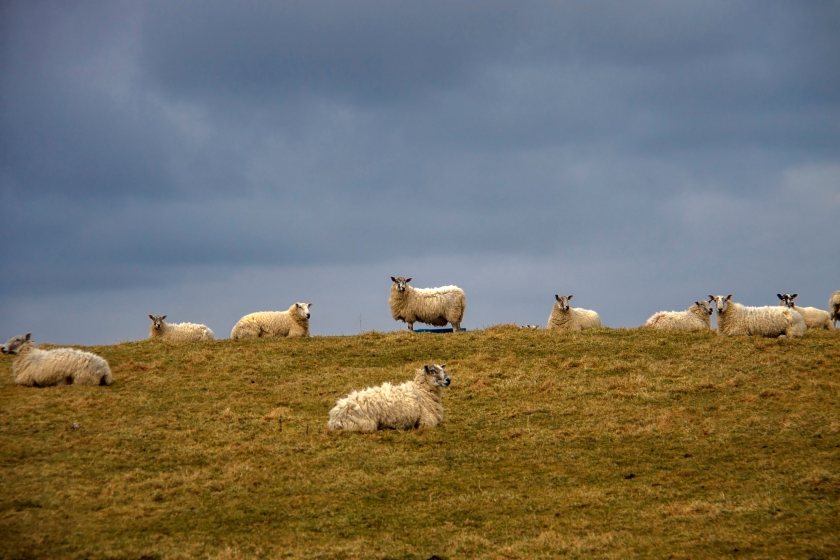
Scotland’s sheep sector is urging ministers to commit to long-term farm support ahead of the 2026 Scottish election, warning that without decisive action the national flock will continue to shrink.
National Sheep Association (NSA) Scotland has written to the Scottish government to set out its priorities for sheep farming and rural communities as policy decisions are shaped in the run-up to the election.
In an open letter to Jim Fairlie MSP, the organisation says stable, ring-fenced multi-year funding is essential to give businesses confidence at a time when sheep numbers are already under pressure.
The call comes against a backdrop of a contracting national flock, which NSA Scotland says is being driven by economic pressures, land use change and predation.
The organisation is urging the Scottish government to guarantee long-term farm support, with funding increases at least in line with uplifts to the UK Treasury block grant, arguing that predictable support is critical to underpin investment, succession planning and business viability.
Concerns were also raised over the future of the Sea Eagle Management Scheme, which supports farmers and crofters affected by sea eagle predation on livestock.
NSA Scotland has welcomed the continuation of enhanced shepherding within the scheme but warned that labour shortages and questions over long-term cost-effectiveness could undermine its viability.
The association believes shepherding could deliver wider benefits if better integrated with monitoring and biodiversity programmes, but stresses that where all other reasonable options have been exhausted, lethal control may be required in isolated cases to protect businesses facing persistent predation.
In its letter, NSA Scotland also underlined the continued importance of Less Favoured Area (LFA) payments and the Scottish Upland Sheep Support Scheme (SUSSS), which it says remain vital to maintaining sheep farming across Scotland’s most marginal land.
The organisation has also called for greater transparency around the £21m Farming and Food Infrastructure Scheme (FFIS), noting that while the 100% grant rate was generous, it proved transformative for some businesses and generated valuable learning for the design of future support.
NSA Scotland chair Peter Myles said the scale of the challenge facing the sector should not be underestimated. “It is important to remember that that the Scottish national flock continues to contract due to economic pressures, land use change and predation,” he said.
He warned that projections suggest UK sheepmeat production could fall significantly if current trends continue, adding: “With markets currently strong, NSA Scotland believes now is the time to invest, grow domestic consumption and exports, and increase, rather than reduce, sheep numbers.”
The association also highlighted a series of additional pressures facing producers, including inheritance tax changes due in April, which it says could threaten farm succession, and proposed Food Standards Agency charging reforms that could jeopardise the future of smaller abattoirs.
NSA Scotland warned that the loss of local processing capacity would have serious implications for Scottish producers, local supply chains and long-term business resilience.
Mr Myles said the year ahead presented a critical opportunity for rural policy. “This new year presents an opportunity for leadership and long-term vision for Scotland’s rural economy,” he said.
“Sheep farming plays a vital role in food production, land management and rural livelihoods, and we are keen to work constructively with government to ensure the sector remains a cornerstone of Scotland’s prosperity.”
He added that the organisation wants early and meaningful engagement with ministers as decisions are taken ahead of the election.




