




Seven in 10 farmers say supermarket relations have worsened
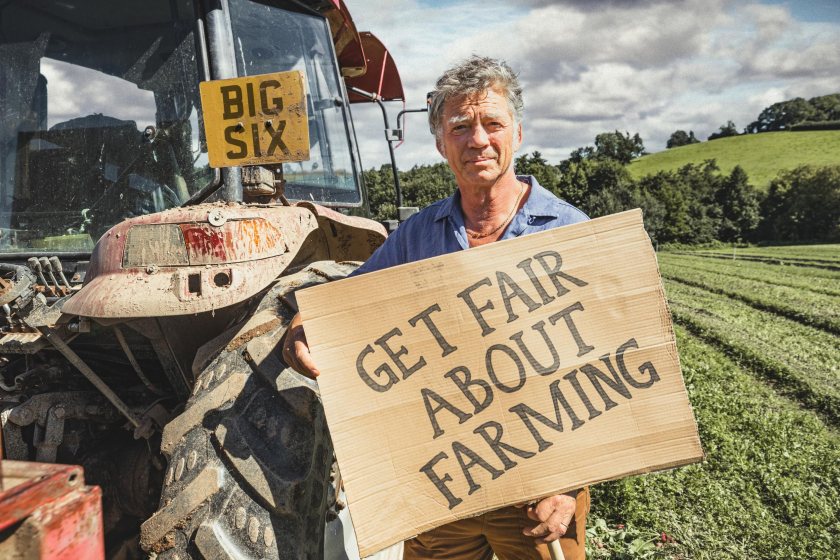
Nearly seven in 10 farmers say their relationship with supermarkets has worsened over the past two years, prompting renewed calls for a single food supply chain regulator to rebalance power and make farming feel less like survival.
Farmers, MPs and industry groups are urging the government to strengthen the Groceries Code Adjudicator (CGA) and merge existing watchdogs into a single regulator overseeing the supply chain from farm to supermarket. Campaigners say the current system is fragmented and failing to protect producers from unfair buying practices.
Research commissioned by organic veg box company Riverford found that 69% of farmers believe relations with retailers have worsened in the past two years, while more than two thirds said making a living from farming has never been harder. Three quarters reported financial pressure from supermarket buying practices.
The findings underpin Riverford’s #GetFairAboutFarming campaign, which is calling for a single regulator with stronger enforcement powers. More than 5,000 people have written to MPs backing the proposal, while 86 MPs have signed an Early Day Motion calling for existing supply chain regulators to be merged.
According to the research, 76% of farmers believe the current regulatory framework does not protect them from unfair supermarket practices and is “unfit for purpose”. A similar proportion said a single regulator would lead to fairer treatment for British farmers.
Growers reported widespread use of practices they describe as unfair, including cancelled orders, late payments, changes to terms without notice and pricing that fails to cover production costs. Almost all respondents said they had experienced at least one such practice, while 65% felt they had little choice but to accept supermarket terms for fear of being delisted.
For many producers, this imbalance has had a direct impact on business viability. Apple grower Richard Stogdon, who farms in Sussex, said the relationship with supermarkets has “substantively deteriorated”. He added: “We take enormous risks in growing these crops.”
Dairy farmer Haydn Evans, from Carmarthen in Wales, described how pressure within the supply chain can quickly rebound on producers. After successfully pushing his milk buyer to pass on a 1p per litre price rise from supermarkets, he said the buyer was delisted just three months later.
“Supermarket[s] know how much they’re taking and how vulnerable farmers are – they exploit the power imbalance,” he said. “They know that you are always negotiating with two hands tied behind your back.”
Others have chosen to walk away from supermarket supply chains altogether. Third-generation farmer Jonathan Hoskyns said he no longer supplies retailers. “I don't miss the stress and I don't miss the worry of not knowing what our fruit is worth until it has all been sold,” he said.
The pressure is also being felt beyond farm finances. More than eight in 10 farmers surveyed said unfair supermarket practices were contributing to stress and poor mental health within the farming community, while 61% said they considered their farm to be at financial risk because of retailer behaviour.
Riverford founder Guy Singh Watson said the findings showed conditions were worsening for many producers. “For three years our #GetFairAboutFarming campaign has been calling for a regulator with real teeth, one that can stand up to supermarkets and help address the huge imbalance of power in our supply chains,” he said.
“Over 113,000 people have backed that call, and even Parliament has debated it, yet farmers are still being failed by a system that’s meant to protect them.”
He disputed claims that the situation is improving. “The GCA's own research suggests things are improving and that may be the case for large companies with supermarket contracts, but our findings show the opposite is true for the small and medium-sized family farms that produce most of our food,” he said, adding that 69% of farmers reported worsening relations with supermarkets.
Mr Singh Watson said the financial pressure undermines long-term sustainability. “Farming shouldn’t feel like survival. It should be a livelihood to be proud of,” he said, arguing that squeezed margins make it harder for farmers to invest in soil health, animal welfare and environmental improvements.
Support for reform has also come from campaign groups. Georgina Edwards, sustainable farming campaign officer at Sustain, said the research showed farmers were still being harmed by unfair trading practices. “Orders cancelled at short notice and delayed payments are still causing harm to farming businesses and farmers’ mental health,” she said.
She warned that retailer behaviour was pushing farms in damaging directions. “It is deeply concerning that three quarters of farmers say that retailers’ behaviour is driving farms towards more intensive, environmentally damaging practices,” she said, urging ministers to use the current CGA review to join up regulation and properly resource enforcement.
With the government’s review of the Groceries Code Adjudicator under way, campaigners say the next few months represent a critical opportunity for ministers to reform supply chain regulation and deliver fairer treatment for the farmers who produce the UK’s food.




