




Sheep farmers call on end to culture of chasing cheap food
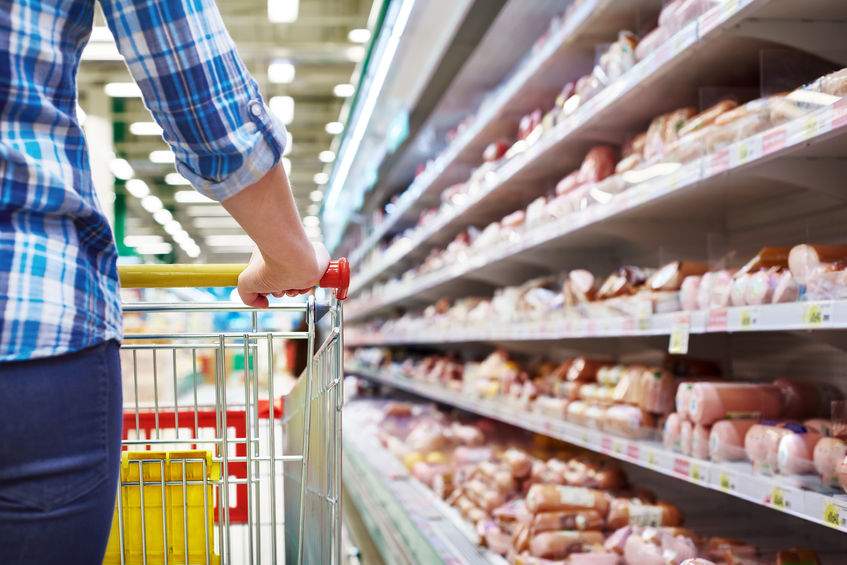
The UK must end its culture of chasing cheaper food prices and help the farming industry regain core business profitability, sheep farmers have urged.
The National Sheep Association (NSA) has said farming businesses need to be productive and profitable as the future trading relationship with the EU remains uncertain.
The organisation, which represents the views and interests of sheep producers throughout the UK, said there is a "fundamental barrier" to progression because of a lack of core business profitability.
It blames high business costs and low product prices as the main barriers in helping deliver desirable economic, environmental and societal benefits.
The comments come as Defra's consultation on a domestic agriculture policy closed last night (8 May) after 10 weeks of seeking industry opinion.
The ‘Health and Harmony’ consolation sought views from farmers and organisations in England regarding how they would like Brexit to affect agriculture.
As well as encouraging farmers to submit their own views, the NSA consulted its own members to ensure its response reflected the needs and desires of the wide range of sheep farming businesses operating across the UK.
Future farm support
The National Sheep Association looked at options for future farm support to boost sheep industry profitability, including capital investment options and incentives for efficiency improvements.
The organisation also looked at ways to reduce the industry's carbon footprint.
NSA Chief Executive Phil Stocker explained: “We have long been promoting the need for and sense of a sheep health scheme that would support farmers in continuing to make on-farm improvements while simultaneously reducing their carbon footprint.”
Such a scheme would reward sheep farmers for a wide range of public goods and interests, including an array of environmental and social good related outcomes.
“Investing in health measures through such a scheme would improve productivity, efficiency, the environment and welfare. It would also avoid the need to raise welfare standards in legislation, which has the potential to raise production costs and reduce competitiveness,” he added.
'Huge change'
Given the anticipated reduction in direct payments going forward, the NSA said it would like to see a fair percentage-based reduction across all businesses.
It would also like to see more encouragement for farmers to work together for research, land management initiatives and marketing to increase efficiency and negotiating strength.
Mr Stocker continued: “Farmers are going to experience huge change over the coming years and we want to see a transition that allows them plenty of time to adapt and minimise disruption. We need the deal with the EU completed, our new Agriculture Bill on the statute books, and a food policy agreed, and then a minimum five-year period.”
The comments follow news of the NFU using Defra's consultation to urge the UK to promote home-grown produce, and that British farmers must become the number one supplier of choice to the UK market.
The farming union suggests public run services such as schools and the NHS should be “wherever possible, sourcing British assured ingredients”, except for products unable to grow in the UK.




