




Sheep thief farmer jailed after seven-year livestock crime spree
A Lincolnshire farmer who stole hundreds of sheep from livestock markets across England over a seven-year period has been jailed for four-and-a-half years following a major rural crime investigation.
Peter Parker, 60, of The Clays, Brant Broughton, was sentenced at Nottingham Crown Court on 8 May after being convicted in a joint prosecution involving Nottinghamshire County Council Trading Standards, West Mercia Police and Cumbria Police.
The case has raised renewed concerns around livestock security, animal traceability and disease control within the farming sector.
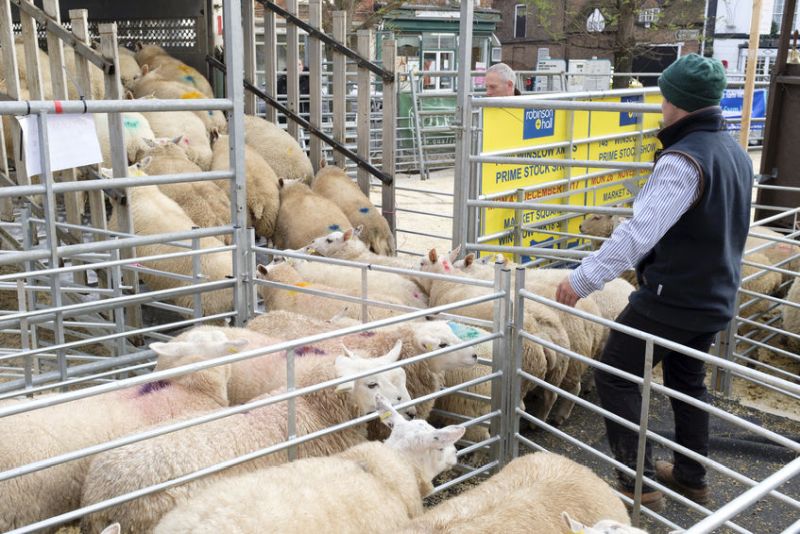
The court heard Parker targeted livestock markets including Newark, Hereford and Penrith between 2016 and 2023.
At Newark Livestock Market alone, almost 650 sheep worth at least £23,000 were stolen during the summer of 2017.
He also stole a further 50 sheep from Penrith and 23 from Hereford livestock markets.
CCTV footage showed Parker arriving at markets late at night before swapping his sheep for higher-value animals.
In some cases, sheep were taken directly from market sites.
The court was also told some of the offences were committed while Parker was already on bail.
Alongside the theft charges, Parker admitted offences linked to failing to report cattle movements and deaths to the relevant authorities.
He was also convicted of offences relating to sheep identification failures and causing unnecessary suffering to sheep.
Prosecutors said the offending undermined confidence in livestock markets and created risks for animal welfare, disease prevention and food safety systems.
Councillor Dawn Justice, cabinet member for communities and public health at Nottinghamshire County Council, said the case sent a strong message to offenders targeting the farming industry.
“For years Mr Parker’s offences have undermined animal welfare, disease control and trust in the livestock industry,” she said.
“Today’s sentencing is an excellent result and sends a strong message that we will not tolerate livestock theft or breaches of the legal requirements that are in place to protect animal and public health.”
Martin Beck, from the National Rural Crime Unit, described Parker as “highly organised” and warned livestock theft was far from a victimless crime.
“Not only did he betray the trust of livestock auctioneers and fellow farmers, the impact of his crimes created a risk to public and animal health,” he said.
Mr Beck said investigations into livestock theft often uncovered offenders with specialist agricultural knowledge and close links to the farming industry.
“Livestock theft is a serious issue,” he said.
“This conviction sends a clear message that the police and enforcement partners will pursue those who are involved rural crime.”
He added: “Police and enforcement partners are working together to pursue those who steal livestock and target the farming industry. We will find you and we will prosecute you.”
Livestock theft remains a major concern across rural areas, with organised criminals increasingly targeting farms and markets as sheep values remain high.
The case is one of the largest livestock theft prosecutions in recent years and highlights ongoing concerns over organised rural crime affecting the farming industry.




