

Soaring fuel costs spark urgent calls for farming budget support
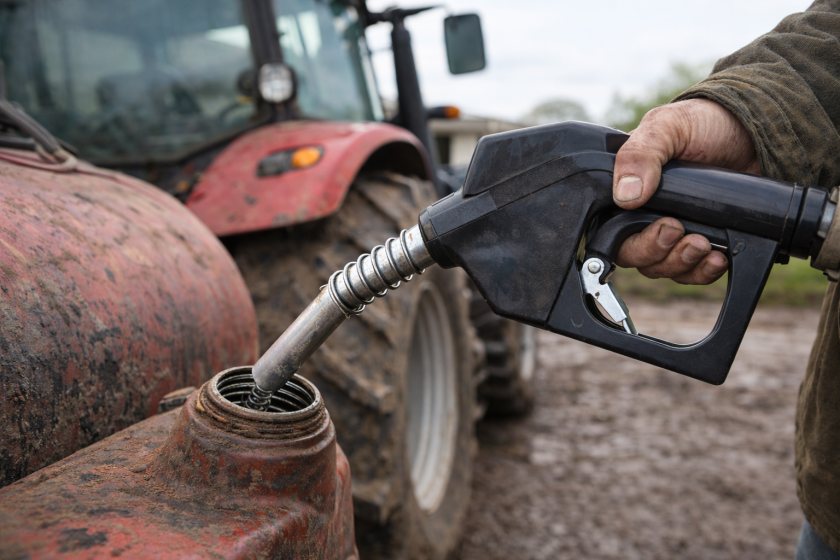
Record diesel prices averaging £2 a litre have intensified the financial squeeze on British farmers, prompting fresh demands for government action ahead of the autumn budget.
The National Farmers’ Union (NFU) is calling for targeted support as farmers and growers continue to grapple with the impact of this summer's drought and rising production costs.
Among its key demands is a temporary, interest-free Keep Britain Growing Loan, designed to help agricultural businesses hardest hit by this year's challenges maintain food production into 2027.
The proposal forms part of five priorities submitted by the union ahead of the Budget, alongside calls for changes to agricultural taxation and investment policies.
UK road diesel was averaging a record £2.00 per litre at the time of the NFU's statement on 21 October, following disruption to global energy supplies and continuing conflict in the Middle East.
Although agricultural red diesel is taxed differently from road diesel, rising fuel costs remain a major concern for farming businesses.
Red diesel is widely used to power tractors and agricultural machinery, making it an essential expense for livestock producers and arable farmers.
Higher fuel costs can increase the expense of fieldwork and other machinery-intensive operations, adding to financial pressures on businesses already struggling with cashflow.
NFU Deputy President Paul Tompkins said: “Red diesel is the primary fuel for agricultural vehicles which are crucial in producing the nation’s food. As fuel prices rise again due to geopolitical events, so does the financial strain for British farm businesses.”
The latest pressures follow a difficult summer for British agriculture, with drought conditions affecting farm finances and confidence across the industry.
Tompkins said: “These increasing costs come at an already incredibly difficult time for farmers and growers, with this summer’s drought having significantly impacted cashflow and confidence.”
The union welcomed the government's earlier decision to freeze a planned increase in fuel duty but maintains that additional measures are needed to ease the financial burden on farming businesses.
International efforts are also under way to stabilise energy markets, with G7 countries and partners agreeing to release 100 million barrels of emergency diesel and crude oil reserves over four months.
The move is intended to ease supply pressures, although uncertainty remains over how quickly the measures will affect fuel prices.
Beyond immediate financial assistance, the NFU is pressing ministers to introduce policies that encourage long-term investment in British agriculture.
Its proposals include increasing and extending the Annual Investment Allowance and capital allowances, reversing changes to agricultural inheritance tax and pausing the introduction of the Carbon Border Adjustment Mechanism.
The union argues that these measures would help farmers invest in their businesses while strengthening the resilience of domestic food production.
Speaking on BBC Radio 4's The World Tonight in September, Tompkins highlighted the wider implications of increasing agricultural costs for national food security.
“We need to really consider what food production means for this nation’s foundations of security, and what the implications of further increases to farming’s cost base mean for us all,” he said.
He also raised concerns about how the food production system could manage additional costs without passing them on to consumers.
With fuel prices adding to drought-related losses and wider production pressures, the NFU says the Budget represents an opportunity to restore confidence and encourage investment.
The union warns that without measures to reduce financial pressures, farmers could face growing difficulties maintaining domestic food production and securing the long-term future of their businesses.