




Telecoms law change could reduce rents on rural mast sites
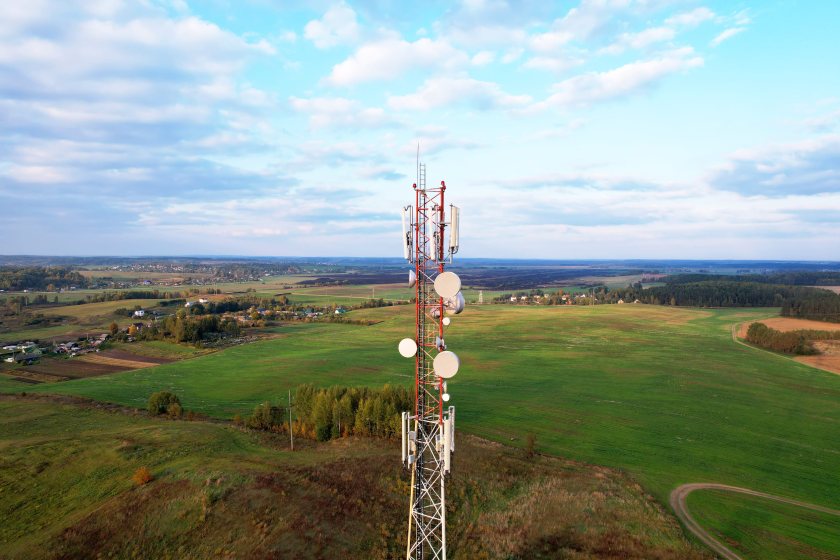
New telecoms reforms coming into force in April could significantly reduce rents paid to farmers and landowners hosting mobile phone masts, experts have warned.
The changes, introduced under the Product Security and Telecommunications Infrastructure (PSTI) Act 2022, will alter how telecoms mast lease renewals are valued across the UK and bring older agreements into line with rules introduced nearly a decade ago.
Thousands of legacy mast site agreements across the country are expected to be affected as they come up for renewal once the new provisions take effect from 7 April 2026.
Robert Jauneika, director and chartered surveyor at H&H Land & Estates, said the reforms mark another major step in the changing relationship between telecommunications operators and landowners.
The sector has already undergone significant upheaval since the Electronic Communications Code (ECC) was introduced in 2017.
Before those reforms, rents for telecoms sites were typically negotiated using traditional market principles, where the strategic value of land to operators was taken into account.
In many cases this meant mast sites generated rents of several thousand pounds per year, similar to other commercial property agreements negotiated between willing landlords and tenants.
However, the ECC introduced a “no scheme” valuation model, where rent is based on the underlying value of the land rather than the value of its use for telecommunications infrastructure.
This change led to steep reductions in mast rents across many parts of the country when agreements were renewed.
The policy aim was to lower the cost of accessing land in order to accelerate the rollout of digital infrastructure, including 5G networks and improved rural broadband.
Until now, however, a difference has existed between older telecoms leases and newer code agreements.
Many historic mast leases are protected under the Landlord and Tenant Act 1954, meaning rent reviews and renewals have continued to follow traditional market valuation principles.
The PSTI Act will remove that distinction.
From April, renewals of telecoms leases under the 1954 Act will adopt the same valuation assumptions used under the Electronic Communications Code.
In practice, this means mast rents under those leases will also be assessed using the “no network” approach.
The change will effectively bring telecoms lease valuations into line regardless of whether the agreement originated under the ECC or the 1954 Act.
While farmers and landowners may still receive compensation for certain losses or disruption caused by telecoms infrastructure, the headline rent is likely to reflect the lower valuation basis.
Many telecoms masts are located on farmland or rural estates, meaning the changes could affect a large number of agricultural landowners hosting telecoms infrastructure.
Mr Jauneika said the reforms are likely to maintain downward pressure on rents and could lead to continued valuation disputes between operators and site providers.
“The government hopes that by lowering the cost of access to land, the rollout of digital infrastructure such as 5G and rural broadband can be accelerated,” he said.
However, he added that maintaining constructive relationships between telecoms operators and landowners would remain essential.
“The challenge will be maintaining constructive relationships between operators and landowners, whose cooperation remains essential.”
Mr Jauneika advised landowners hosting telecoms infrastructure to review their agreements carefully before any renewal negotiations.
“If you have a telecommunications site on your land, it is essential to review the lease terms carefully and understand the rent valuation approach that should be adopted,” he said.
He added that professional advice is important when assessing compensation and negotiating lease terms.
Landowners hosting telecoms infrastructure are being advised to review lease agreements carefully and seek professional advice ahead of upcoming renewals.




