




Throughput figures indicate more farmers using live sales ring
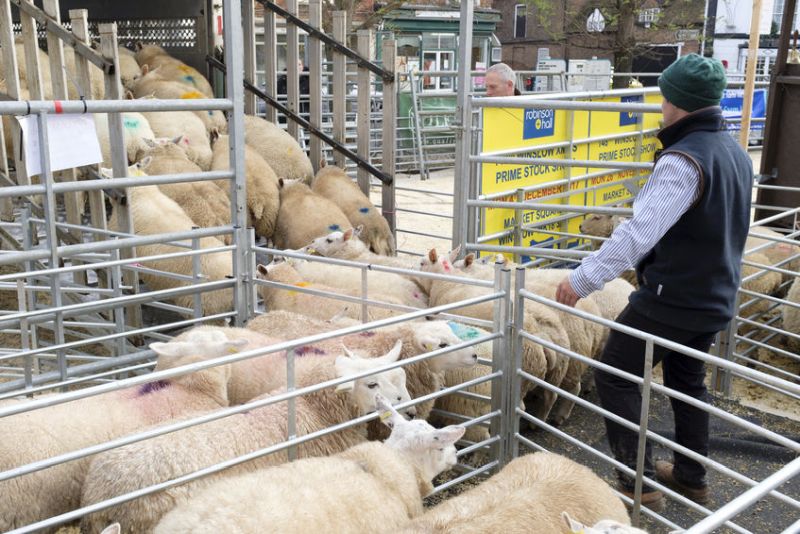
New throughput figures have indicated that more farmers are favouring the live sales ring over other market outlets.
Over 11 million animals passed through the livestock markets last year, including over one million cattle and more than 9.5 million sheep.
Turnover across all classes through 2022 reached record figures, rising £27.5 million on the year to just over £2.1 billion.
The figures, released by the Livestock Auctioneers’ Association (LAA), indicate that more farmers are favouring auction marts.
Throughput figures of all classes of livestock through marts in 2022 were: cattle – 1,023,000; sheep – 9,652,000; pigs – 97,000; calves – 242,000.
The LAA said that a significant rise in calf numbers was a response to the market’s ability to ensure "the right buyers are around the ring for the right stock."
Chris Dodds, executive secretary of LAA, said: “These figures reflect not only the trend we have witnessed over recent years for producers returning to the live sales ring to market their stock, but also the fact that the auction system is placing those animals in front of multiple potential buyers."
He added: "Livestock markets provide an invaluable, competitive and transparent marketing outlet for producers, particularly noted during the challenges through the Covid-19 pandemic.
"Many marts reported vendors returning to the live sales system from direct supply chains over this period, while marts also welcomed new first-time customers."
In 2022, livestock markets in England and Wales saw more than a quarter of a million more animals through their sale rings (254,000) than in 2019.
Turnover in 2022 was more than half a billion pounds higher than in the corresponding pre-lockdown period in 2019, at a total increase just short of £556m.




