




White-tailed eagles to return to Exmoor despite farming concerns
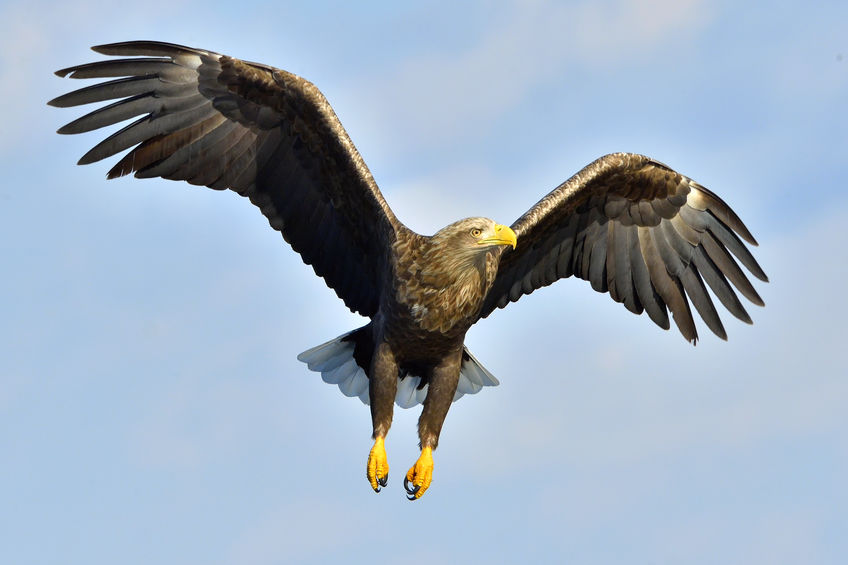
White-tailed eagles will return to Exmoor this summer under a controversial conservation scheme that supporters say will help restore a lost native species — but farmers fear could threaten livestock and rural livelihoods.
Plans to release up to 20 of the birds across Exmoor National Park over the next three years have been approved by Natural England following years of planning and consultation.
The move forms part of wider efforts to rebuild white-tailed eagle populations across southern England after the species disappeared from Britain by 1918 following habitat loss and persecution.
However, the return of the birds has reignited tensions between conservation groups and sheep farmers worried about the potential impact on lamb losses.
Farmers have warned the birds could place additional pressure on upland livestock businesses already facing rising costs and economic uncertainty.
White-tailed eagles — sometimes nicknamed “flying barn doors” because of their enormous wingspans — are Britain’s largest bird of prey, capable of reaching spans of up to 2.4 metres.
The species has already begun expanding along parts of southern England following earlier releases on the Isle of Wight seven years ago, with birds periodically recorded visiting Exmoor.
Project leaders said all birds released in the national park would be fitted with satellite tracking devices to monitor their movements and study how they establish territories in the region.
The scheme is being led by Forestry England and the Roy Dennis Wildlife Foundation.
Supporters of the programme believe the birds could help restore natural ecosystems while also boosting wildlife tourism and public engagement with conservation.
But the controversy reflects long-running tensions in parts of Scotland, where some sheep farmers claim eagle attacks have caused serious lamb losses.
Speaking to the BBC, Scottish farmer Ricky Rennie, who farms in Argyll, said white-tailed eagles had caused major damage to his flock in recent years.
He claimed he lost up to two-thirds of his lambs during 2024 and estimated the financial impact on his business had reached tens of thousands of pounds annually.
Mr Rennie told the broadcaster that farmers in Exmoor should oppose the release plans, warning the birds could eventually threaten the viability of hill farms.
Conservation groups argue the birds often scavenge dead lambs rather than actively killing healthy animals — a claim disputed by some farmers.
NFU Scotland said any future eagle releases should include strong safeguards to protect livestock from the outset.
The National Sheep Association has also raised concerns about further reintroductions and called for full impact assessments examining farm viability and mental health before additional releases take place.
Speaking to the BBC, NSA chairman Peter Delbridge, who farms on Exmoor, warned local producers feared being left unable to protect their flocks once eagle populations became established.
A recent survey of farmers and land managers in Cumbria, North Yorkshire and Durham also found strong opposition to separate proposals for eagle reintroductions in northern England.
Natural England said the Exmoor project would be “closely monitored” and described the approved licence as a carefully planned scheme grounded in scientific evidence and collaboration with local land managers.
Matthew Heard, Natural England’s national delivery director, said the programme reflected years of partnership work and planning.
The return of white-tailed eagles is likely to remain one of the countryside’s most divisive conservation debates as populations continue expanding across southern England.




