




Wildlife Farming On The Web
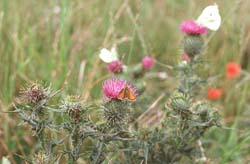
The British countryside will become a much 'greener' and richer place for wildlife due to major changes in the subsidies being paid to farmers. The Government's new Entry Level Stewardship Scheme, worth £30.00 per hectare to most farmers, will now reward farmers for creating and maintaining wildlife habitats that encourage biodiversity on their land.
Although the New Entry Level Scheme offers a fantastic opportunity to boost game and other wildlife, it is important to consider the options very carefully before making any final decisions. To sustain birdlife, for example, a farm needs to have places for nesting, places to find food and places for shelter, and these need to be local. It is no good if the feeding areas are miles away from the nesting areas.
To help farmers and landowners make these right choices to suit their land, The Game Conservancy Trust has written an easy to follow guide to planning an Entry Level Scheme, which is on the Trust's website at www.gct.org.uk
Dr Stephen Tapper, Director of Policy and Public Affairs with the Trust said, "Like a supermarket shelf, Entry Level Stewardship contains a rather bewildering array of options, so it is important to have a thought-out plan with the right options in the right place. This will provide a lot of habitat for wildlife and is much better than a haphazard approach. On our website, we have selected what we think are the best options for a range of farmers, especially with game in mind."
Every farm is different, there is no one-size-fits-all, and so the Trust recommends that a plan should be based on the following themes:
- Think about life cycles. Animals need food and shelter year round, so cater for all seasons.
- Integrate the set-aside. This is valuable habitat too, so you should not waste it.
- Enhance existing features. Protect, widen and compliment what is there already.
- Re-create a patch-work quilt. Crops are habitat, but animals do like a choice.
- Create small scale diversity. Cherish variety in everything -especially the planting mixtures.
As well as viewing the Trust's website, farmers should consult the Defra website and their published handbook




