




Woodland birds flock to East of England
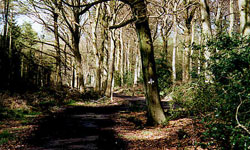
More woodland birds, especially Green Woodpeckers and Goldcrests, are making the East of England their home according to statistics published by the Department for Environment, Food and Rural Affairs
(Defra) today.
The biodiversity indicators show that populations of wild birds in the East of England, previously in decline, appear to have stabilised, while there is cause for optimism as some species are increasing.
The statistics show that 13 of 26 individual woodland bird species increased by 10% or more between 1994 and 2005. Farmland birds during the same period did not fare so well, showing an overall decline of 5% - Corn Bunting, Grey Partridge and Turtle Dove populations declined the most.
The population of all native wild birds in the East of England increased by 6% in line with the national trend for all English regions.
That's good news not just for the birds but for all of us - the bird populations is one of the Government's key indicators for sustainable development. Their numbers are considered as a good indicator of the state of wildlife and the countryside because birds occupy a wide range of habitats, tend to be near or at the top of the food chain, and considerable long-term data have been collected, ensuring a useful comparison from one decade to another.
Regional versions of this key indicator have been developed on behalf of Defra by the British Trust for Ornithology (BTO) and the Royal Society for the Protection of Birds (RSPB).




