




Cattle TB vaccine moves closer after six-year trial
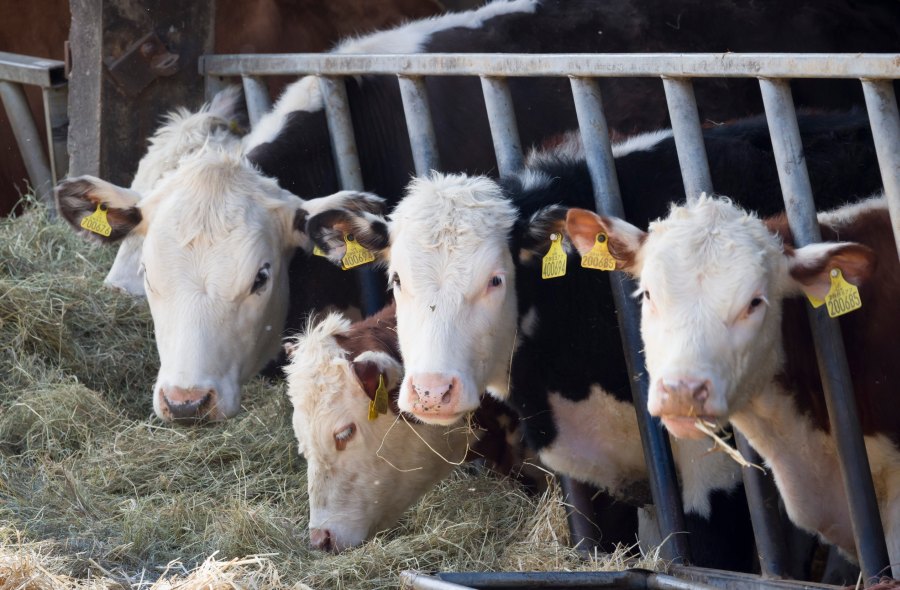
On-farm trials involving 736 cattle have concluded across England and Wales, moving a potential bovine TB vaccine and companion test closer to regulatory assessment.
The Animal and Plant Health Agency confirmed that phase-three fieldwork had finished at all 11 participating farms in low-incidence areas.
Cattle were vaccinated with the BCG vaccine before undergoing follow-up testing with a companion DIVA skin test.
The additional phase was designed to assess how reliably the DIVA test performs in vaccinated cattle and to inform how the vaccine could be used in practice.
DIVA testing is intended to distinguish cattle infected with bovine TB from animals that react because they have received the BCG vaccine.
That distinction is essential because BCG can interfere with the tuberculin-based skin and blood tests used for routine bTB surveillance in Great Britain and by international trading partners.
APHA said progress had been encouraging, with vaccination and follow-up testing completed at every site.
Researchers will now analyse the phase-three data, including the specificity of the DIVA test and its rate of false-positive results.
If the findings are satisfactory, applications can be made for Great Britain marketing authorisations covering the vaccine and test.
Recognition of the DIVA test reagent will also be sought from the World Organisation for Animal Health before wider deployment can be considered.
NFU deputy president Paul Tompkins welcomed the completion of the fieldwork but warned that further progress was needed quickly.
“However, greater urgency is needed. Continued collaboration between farmers, vets and government will be critical to getting a vaccine over the line and finally turning the tide on bTB,” he said.
If approved, the vaccine and DIVA test could help reduce infections within herds, limit transmission between farms and lower the number of cattle culled under bTB controls.
They could also support long-term eradication programmes across Great Britain.
The NFU stressed that vaccination would complement existing controls rather than replace them.
These include cattle testing, movement restrictions, stronger biosecurity and wildlife-control measures.
“No single method can eradicate this disease – we need access to every tool that is scientifically proven to work, including very targeted wildlife control where needed,” Mr Tompkins said.
The Government has said it wants a deployable cattle vaccine and DIVA test ready by 2030.
England is aiming to achieve bTB-free status by 2038, while Wales is working towards a 2041 target.
Deputy chief veterinary officer Ele Brown described completion of the on-farm phase as an important milestone.
“The UK is at the forefront of global efforts to develop an effective cattle vaccine against bovine TB, and completing the on-farm phase of these field trials marks a significant milestone,” she said.
One farmer in north-east England who took part said bTB remained the greatest threat to her cattle enterprise despite the farm being in a low-incidence area.
Her herd had been closed, apart from the introduction of bulls, for more than a decade.
“I believe that the only way to get TB under control is with a vaccine that is safe, effective and can distinguish vaccinated cattle from infected ones,” she said.
The completion of fieldwork does not mean the vaccine is ready for use.
Researchers must first analyse the data, while the vaccine and DIVA test still require regulatory approval and international recognition before deployment, with 2030 remaining the Government’s target.




