




Climate impacts blamed as UK food self-sufficiency drops to 60%
UK food self-sufficiency has fallen from 65% to 60% by value, as climate-driven shocks to global commodity markets pushed up the cost of key imports.
The latest Defra Agriculture in the UK statistical release shows the UK’s food production to supply ratio by value dropped between 2024 and 2025.
Defra estimates the food production to supply ratio at 60% for all food and 72% for indigenous-type food in 2025. The measure, often described as self-sufficiency, estimates how much of total food supply is made up by domestic production.
The headline figure is measured by value rather than volume, meaning changes in global prices can affect the ratio even when UK farming output remains broadly stable.
The Defra summary also shows the value of food, feed and drink imports increased by £3.1bn to £67.8bn, while exports fell by £0.2bn to £25.7bn, widening the trade gap by £3.3bn to £42.1bn.
Tom Lancaster, land, food and farming analyst at the Energy and Climate Intelligence Unit, said the fall showed the growing impact of climate change on food systems.
He said: “The decline in UK self sufficiency shows a clear signal of climate change.”
Mr Lancaster said production and imports of key commodities had remained largely flat, but changes in commodity values had driven the fall.
Lower export values, mainly linked to whisky, contributed to the decline, while import values increased. Higher import values were linked to several climate-affected commodities, including coffee, cereals and beef.
Tea and coffee imports were a major factor, with their value rising by almost 20% and costing more than £1 billion extra in 2025 compared with 2024, according to the ECIU.
Coffee has been among the crops most affected by climate-related disruption in recent years, with droughts in Brazil and Vietnam pushing up global prices.
Mr Lancaster said: “Coffee is amongst the most climate impacted crops in recent years, with droughts in key producing countries Brazil and Vietnam driving up the global commodity price by as much as 100% in 2025 compared to 2024.”
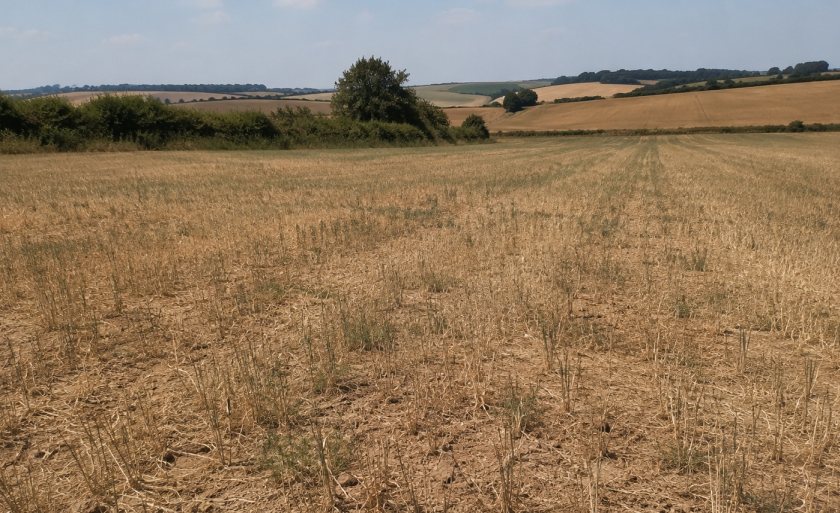
Cereal imports also rose in value following the 2025 drought, which the ECIU said contributed to England’s second worst harvest on record.
Wheat self-sufficiency by volume was 83% in 2025, up from 79% in 2024, but both years remained well below the previous 10-year average after extreme weather reduced yields and crop area.
The value of beef imports also increased, linked partly to a spike in global beef prices following drought in the United States.
Mr Lancaster said extreme weather was now having major effects on global food supply.
He said: “Extreme weather made worse by climate change is now having globally significant impacts on our food system, and much greater urgency is needed to reduce our emissions to net zero and bring our climate back into balance.”
The ratio compares domestic production with total supply, including imports and exports.
Defra’s summary suggests there was little overall change in UK farming output by volume between 2024 and 2025, underlining the difference between production levels and the value-based self-sufficiency measure.
The analysis adds to concerns that extreme weather is now affecting both UK farm production and the cost of imported food, sharpening questions over Britain’s long-term food security.




