




Farm animal vets at risk from fee reforms, MPs warn
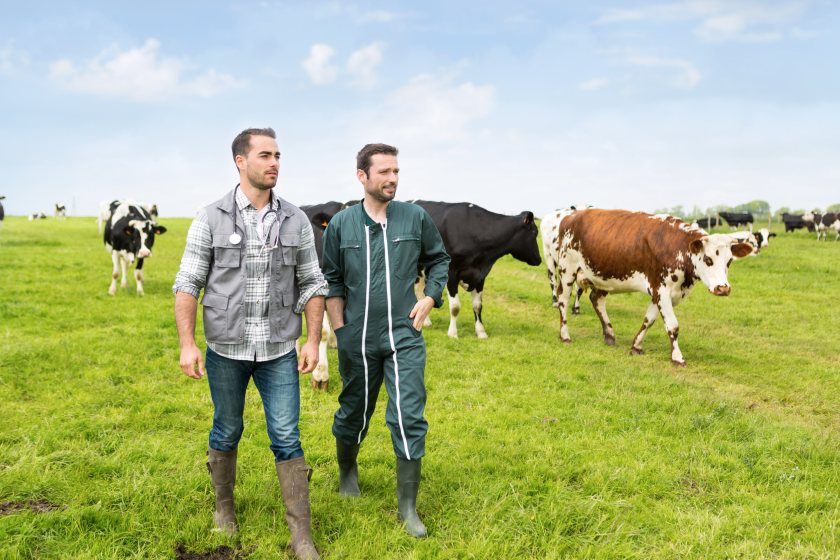
MPs have warned that efforts to reduce veterinary fees must not come at the expense of rural and farm-animal practices.
A new report by the Environment, Food and Rural Affairs Committee highlights growing concerns over vet shortages, rising costs and the future of farm animal care.
The cross-party committee said rural veterinary practices play a critical role in livestock health, animal welfare, disease surveillance, food production and biosecurity.
However, MPs warned that measures aimed at tackling rising fees for pet owners could have unintended consequences for farm-based practices.
The committee heard that, in some rural areas, companion animal work helps support the provision of large-animal veterinary services.
EFRA Committee chair Alistair Carmichael said: “We must be wary of a one-size-fits-all approach impacting the sustainability of the rural, farm-based vet sector, which is vital to our food security.”
The report follows a Competition and Markets Authority investigation into the veterinary market, which raised concerns over rising prices and the growing role of large corporate groups.
MPs said the government should establish a framework to monitor pricing, competition and sustainability across the sector once any CMA reforms are introduced.
The committee also called for the veterinary profession’s system of self-regulation to be replaced with an independent regulator responsible for inspecting practices.
It said this would bring the sector more into line with professions such as medicine and law, while improving transparency and consumer confidence.
The report also highlighted serious workforce pressures, particularly in public health, rural and large-animal veterinary roles.
MPs said 45% of vets leaving the profession had worked in the industry for four years or less, while 21% left within a single year.
The committee called on Defra to commission a review into the causes of staff attrition and set out evidence-based measures to improve recruitment and retention.
MPs also warned that tighter immigration rules could make it harder to recruit overseas vets, who remain important in filling workforce gaps.
The report recommends that Defra and the Home Office review visa salary thresholds for veterinary professionals by early 2027 to ensure immigration rules reflect wider needs in public health and food safety.
Veterinary education is also under pressure, with MPs warning that universities face rising costs and rely heavily on international student fees to help fund training.
Without government intervention, the committee said veterinary courses could close or reduce student numbers.
Mr Carmichael said: “The veterinary sector is highly valued and can offer a diverse range of great life-long careers, from preventing epidemics to facilitating global trade.
“But this country needs more of them, particularly in rural areas.”
The report also calls for veterinary legislation to be updated, arguing that rules dating back decades prevent vet nurses and technicians from carrying out some tasks and being fully integrated into veterinary care.
The committee warned that without action on recruitment, training and retention, the sector could struggle to provide the workforce needed to support farming, food production, disease control and international trade.




