




Farmers battle dry spell as crop yields come under pressure
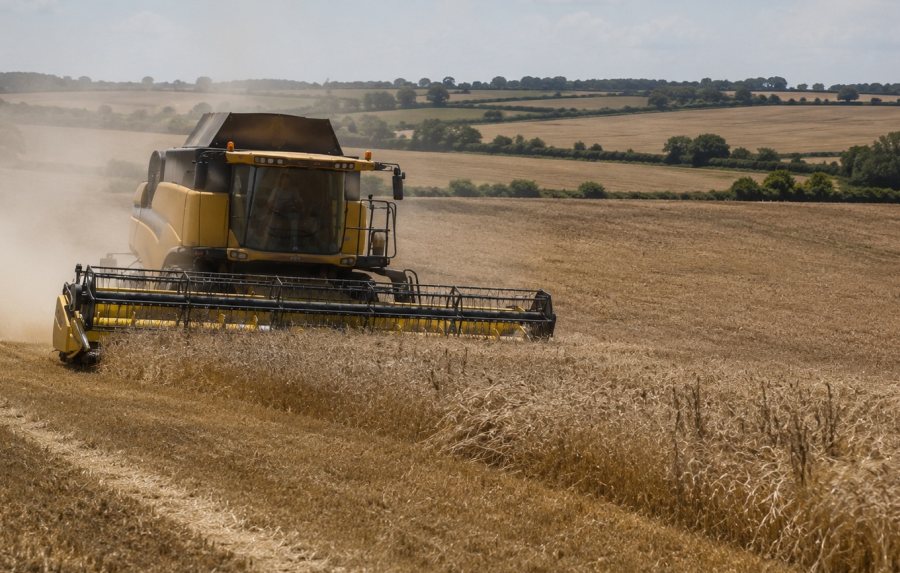
Farmers are facing an early and difficult harvest as worsening dry conditions push eight areas of England closer to drought.
The National Drought Group met on Tuesday (21 July) as exceptionally low rainfall placed growing pressure on crops, rivers and public water supplies.
England has received just 3% of its long-term average July rainfall, while southern and eastern parts of the country have recorded no rain at all so far this month, marking the longest dry spell since the mid-1990s.
Eight areas are now classed as being in prolonged dry weather, the stage immediately before drought. No region has yet been formally declared in drought, but the Environment Agency is monitoring conditions amid the risk of a rapid or “flash” drought.
Some farmers in East Anglia have already been forced to stop abstracting water from local rivers because flows have fallen too low.
Harvests have also started early, with cereal and spring barley yields expected to suffer following the prolonged lack of rain. High temperatures are causing grain moisture problems and increasing the risk of fires breaking out in combine harvesters.
Paul Tompkins, deputy president of the NFU, said producers were working under mounting pressure.
“Farmers and growers across the country are working around the clock to harvest crops which have come early, keep fruit and vegetables watered, and care for their livestock,” he said.
“Parts of the country, particularly in the east and south, have seen exceptionally low rainfall this spring and summer, creating real challenges for farm businesses.”
Tompkins warned that many arable farmers could face another difficult and expensive harvest after drought and flooding affected production in both 2024 and 2025.
The NFU is calling for a more responsive abstraction licensing system and a more supportive planning approach to farm reservoirs.
“To help farmers adapt, we must strengthen resilience to climate volatility,” Tompkins said.
“That means a more responsive abstraction licensing system, a consistent positive approach in planning to make building reservoirs easier, which will lead to investment in on-farm water storage.”
Only 13% of England’s rivers are currently at normal levels for the time of year, with the Avon in Hampshire, Cam, Derwent, Swale, Tone, Wye and Yare among those classed as exceptionally low.
National reservoir storage stands at 78.8%, around five percentage points below the long-term average. Six reservoirs are notably low, while Blagdon is classed as exceptionally low.
Water demand has risen by as much as 30% on the hottest days, adding to pressure on reservoirs, treatment works and supplies available to agriculture, businesses and households.
Seven water companies have introduced or announced temporary restrictions affecting 23 million customers.
Helen Wakeham, chair of the National Drought Group and director of water at the Environment Agency, said depleted supplies and rising demand were affecting farmers, wildlife and the wider public.
“Dry weather depletes our water, while the hot conditions mean we use more of it,” she said.
“This is a difficult combination, and we are seeing the effects on our farmers, our wildlife, and the amount available for public and business use.”
She added: “Every drop we can save is a drop more for nature and agriculture.”
The Environment Agency is releasing water from strategic reservoirs and groundwater sources to maintain river flows, support abstractors and protect the environment.
It is also working with the NFU, particularly in East Anglia, to ensure farmers and other abstractors understand the latest water availability position.
The dry conditions have also increased the risk of farm, woodland and moorland fires. Fifty-three wildfires have been recorded at Sites of Special Scientific Interest this year, while two major incidents have been declared during moorland fires in the Peak District.
The Met Office expects largely settled conditions to continue, particularly across southern England. Some rain may arrive in early August, but forecasters remain uncertain whether the driest areas will receive widespread or substantial rainfall.
With dry conditions expected to persist, the NFU is pressing for faster abstraction decisions and a more supportive planning system for on-farm water storage.




