




Illegal meat and plant imports bypass Dover checks in 'drive-by' loophole
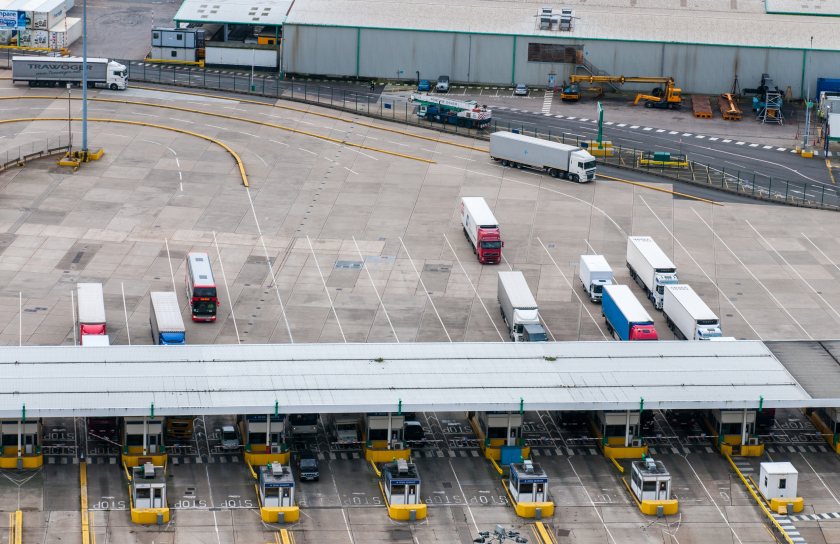
Meat and plant imports carrying potential disease risks are entering the UK without inspection, new data has revealed.
The findings have raised serious biosecurity concerns among farmers and growers, who warn that gaps in border checks could expose UK livestock and crops to serious disease threats. An outbreak of diseases such as foot-and-mouth could cause major disruption to British livestock farming and trade.
Figures published by the Environment, Food and Rural Affairs (EFRA) Committee show that some consignments flagged for inspection are failing to attend the Sevington Border Control Post, a post-Brexit inland inspection facility located 22 miles from the Port of Dover.
In November 2025, 18% of flagged consignments containing products of animal origin — including meat and dairy — did not travel to Sevington despite being directed there through the digital border system. As a result, they passed through the system without inspection.
The figure represents a sharp increase from August 2025, when 8% of flagged consignments failed to attend. Defra refers to these missed inspections as “drive-bys”.
The data, provided by Defra, covers three sample months between 2024 and 2025 and was collected by Ashford Port Health Authority, which operates the Sevington facility.
The findings have raised fears across the farming and horticulture sectors that limited biosecurity checks may pose serious risks to livestock and crops.
Recent outbreaks across Europe have heightened those concerns, including African swine fever and foot-and-mouth disease, as well as plant health threats such as the Xylella bacteria.
Industry figures warn weak controls at Dover may be allowing illegal meat and plant products — banned elsewhere in Europe — to enter the UK.
The EFRA Committee has previously warned that the Sevington system relies heavily on drivers voluntarily taking their consignments for inspection once they enter the country.
In a report published in September, MPs said enforcement was limited if drivers chose not to attend, allowing some consignments to continue directly to their destination.
There are also concerns that goods could potentially be unloaded before a consignment reaches the inspection facility.
EFRA Committee chair Alistair Carmichael MP said the figures expose serious flaws in the current system.
“This new evidence from Defra paints a picture of a dysfunctional system. Unchecked meat and plant products carrying potentially devastating diseases are being let in through the front door,” he said.
“The risks to our livestock and plants are grave and very real. Both the horticultural and livestock sectors see this as a disaster waiting to happen.”
Mr Carmichael said the government must ensure the Sevington system works effectively until a new agreement is reached with the European Union.
“The Government has put all its eggs in the Sevington basket and it needs to make this system work at least until a new system can be agreed with the EU,” he said.
He also pointed to evidence suggesting stronger enforcement could reduce the number of missed inspections.
“A source of both hope and frustration appears in the very last paragraph. It suggests that when they had a go chasing up on drivers, the drive-bys fell and more checks were carried out,” he said.
“But that was apparently only a pilot and only for plant products. In other words, government won’t commit the resources to keep this going and have not so far expanded it for meat and dairy imports.”
Mr Carmichael warned the consequences could be severe if border checks fail to prevent disease entering the country.
“How terribly short sighted that will look if another outbreak of Foot and Mouth arises from this farce,” he said.
The Sevington facility was introduced after Brexit as a temporary solution for checking goods imported from the European Union.
Border checks are not currently carried out at Dover itself because the Bastion Point Border Control Post has yet to open.
The system is expected to change again as the UK negotiates a new sanitary and phytosanitary (SPS) agreement with the EU, which could reshape how border inspections are carried out.
It remains unclear what role the Sevington site will play under any future arrangements.
During an evidence session on 3 March, Defra officials told MPs that “follow up” checks are carried out on vehicles that fail to attend Sevington.
However, officials admitted they do not hold data on how often these follow-up checks take place.




