

Inheritance tax climbdown: £2.5m relief for farms after sector pressure
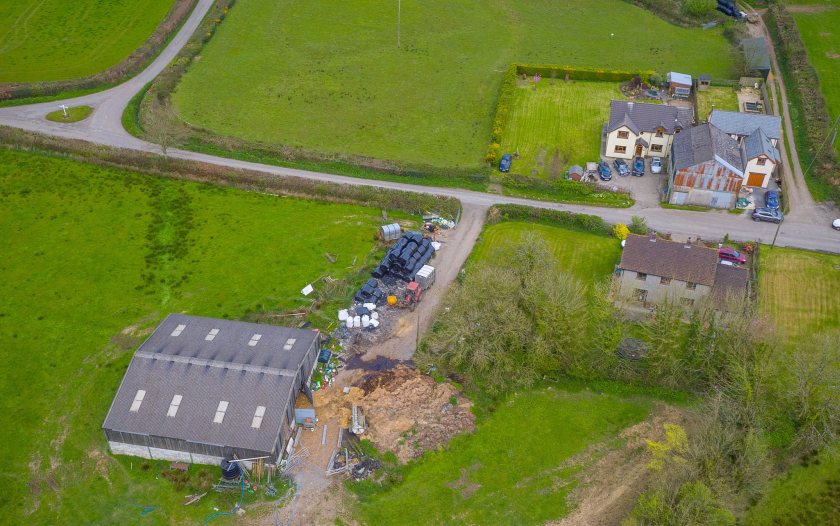
Family farms will be able to pass on up to £2.5m in qualifying agricultural and business assets free of inheritance tax after ministers eased controversial reforms following pressure from the farming sector.
The government confirmed on Tuesday (23 December) that the threshold for agricultural property relief (APR) and business property relief (BPR) will rise from £1m to £2.5m per estate when the changes come into force in April 2026.
Because the allowance will be transferable between spouses or civil partners, couples will be able to pass on up to £5m in qualifying agricultural or business assets before inheritance tax is applied.
The move follows sustained opposition after the so-called “family farm tax” was announced in the autumn budget 2024, sparking protests across the UK and in London. Farmers warned the proposals threatened the survival of family-run farms and complicated succession planning.
Ministers said the revised approach responds to concerns raised by farmers and rural businesses, while maintaining the principle that the most valuable estates should not receive unlimited relief. The changes will be introduced through an amendment to the Finance Bill in January and will apply from 6 April 2026.
The government said the impact of the reforms will now be significantly reduced. The number of estates claiming APR, including those also claiming BPR, affected in 2026–27 is forecast to halve from 375 to 185.
Around 85% of estates claiming agricultural property relief are now expected to pay no additional inheritance tax, while the number of estates affected claiming only BPR is forecast to fall by a third.
Defra Secretary Emma Reynolds said the changes were aimed at protecting family farms. “Farmers are at the heart of our food security and environmental stewardship,” she said, adding that ministers were “making changes today to protect more ordinary family farms”. She said it was “only right that larger estates contribute more”.
The announcement follows a long-running campaign by the farming industry. NFU president Tom Bradshaw said the decision would come as “a huge relief to many”, after what he described as 14 months of union lobbying to reduce the impact of the original proposals.
While tax would still be payable in some cases, Mr Bradshaw said the higher threshold would “greatly reduce that tax burden for many family farms”. He said he was thankful “common sense has prevailed and government has listened”, after warning the original plans risked trapping elderly and vulnerable farming families.
Under the revised system, 100% relief will apply to qualifying agricultural and business assets up to £2.5m, with 50% relief continuing above that level. Ministers said this ensures such assets continue to face a much lower effective tax rate than most others, while preserving the majority of the revenue raised to help fund public services.
The Country Land and Business Association (CLA) also welcomed the change. Its president, Gavin Lane, said it would be “an enormous relief to thousands of family farms”, but warned some businesses with high land and machinery values and tight margins could still struggle. He said the organisation would continue to call for the reforms to be scrapped entirely.
Political pressure over the reforms also remains. Responding to the announcement, Liberal Democrat environment, food and rural affairs spokesperson Tim Farron MP said: “It is utterly inexcusable that family farmers have been put through over a year of uncertainty and anguish since the government first announced these changes.”
He said his party had been “the first to call out and oppose the unfair family farm tax in last years budget” and had stood alongside farming communities to campaign against it. Mr Farron described the increase in the threshold as “hard won” and said he was grateful to farmers who had fought to secure the change.
“This is about justice and security – if we undermine British farming then we also undermine our ability to provide us with the food we need to keep us secure in an uncertain world,” he said, warning that many family farms would still be “financially crippled and barely making the minimum wage”.
More than 30 Labour MPs abstained earlier this month on a Finance Bill vote linked to inheritance tax following pressure from farmers and rural businesses.
Despite the government’s concession, farming leaders warned the issue is not fully resolved, with campaigners continuing to argue that inheritance tax reform still poses a long-term threat to family farms.