




Livestock gains drive UK farm income to £8.4bn
UK farm income rose by 20% to £8.4 billion in 2025, but Defra’s latest figures show livestock producers gained while arable growers remained under pressure.
The latest Total Income From Farming figures point to a divided year for UK agriculture, with stronger returns for livestock businesses and weaker results across crop sectors.
Total Income From Farming is Defra’s headline measure of the income generated by the UK farming industry after costs, subsidies and other factors are taken into account.
Livestock output increased by 10% on the year, while crop output fell by 3%.
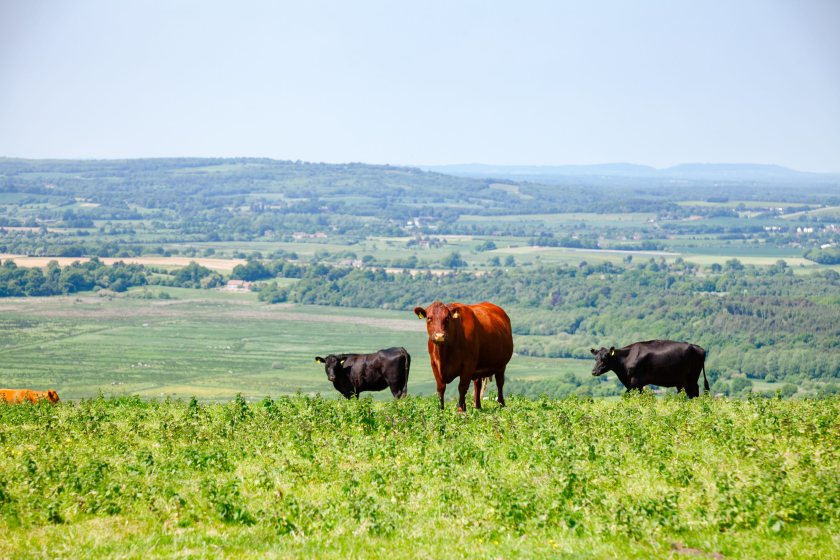
Stronger beef and milk markets helped lift livestock returns during 2025.
Beef delivered one of the sharpest increases, as firm finished cattle prices pushed sector output 23% higher to more than £5bn.
Dairy output also passed £7bn, supported by stronger milk values and high production levels during spring and summer.
However, weaker farmgate values for both beef and dairy so far in 2026 suggest margins could come under renewed pressure in the year ahead.
The headline rise does not mean all farm businesses saw improved margins, as many producers continued to face high input costs, including feed, fertiliser, energy, labour and finance.
The national figure also masks significant differences between sectors, regions and farm types.
Some businesses benefited from stronger livestock markets, while others remained exposed to weaker commodity prices and cost pressures.
The picture was more difficult for arable businesses, which saw lower overall incomes in 2025.
Weaker values across key crops, including potatoes, wheat, barley and sugar beet, weighed on arable returns.
That followed a difficult 2024 harvest year, when cereal production across the UK was sharply reduced.
For arable growers, weaker commodity prices can quickly affect cashflow, particularly after a difficult production year left many businesses with lower volumes to sell.
Defra farming minister Dame Angela Eagle said the second consecutive annual rise in farm incomes was “a welcome sign for the sector”, adding that ministers were focused on building long-term confidence in farming.
Despite the strong headline increase, the figures point to an uneven year for UK agriculture.
Livestock businesses benefited from stronger market prices, while arable farms continued to face pressure from weaker crop values.
Analysts and farm businesses will now be watching whether lower livestock prices, continued cost pressure and volatile crop markets reduce margins through 2026.
The figures point to a stronger headline result for UK farming, but also underline how exposed farm incomes remain to shifts in commodity prices and sector-specific pressures.




