Only four retailers rule out chlorinated chicken as shoppers demand clarity
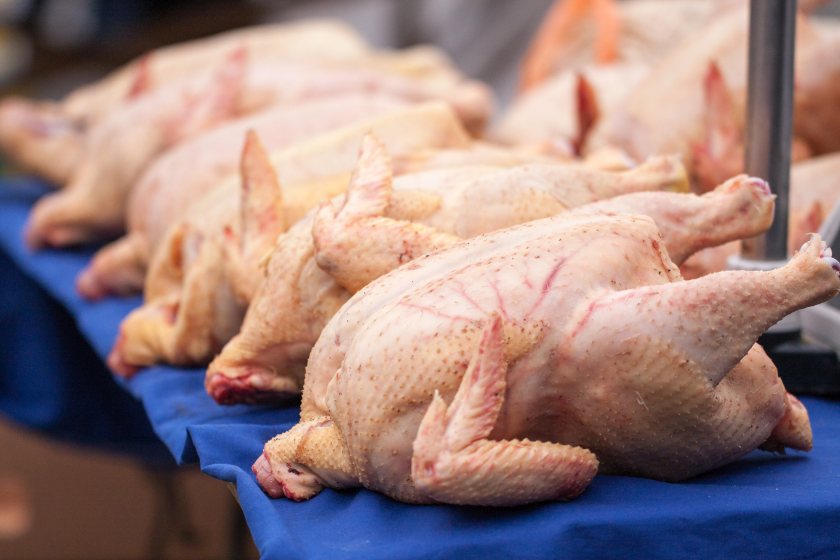
Seven of the UK’s largest supermarkets have responded to calls from more than 100,000 shoppers to rule out selling chlorinated chicken, although only a minority have given an outright guarantee.
Campaign group 38 Degrees contacted 11 major retailers amid renewed debate over US-UK trade negotiations, warning that allowing chlorinated chicken onto shelves would be a “red line” for consumers and could undermine food standards that are currently banned under UK law.
Supermarkets were given a deadline of 2 February to confirm whether they would commit to never stocking the product.
Four retailers — Aldi, Asda, Co-op and Waitrose — issued firm guarantees.
Asda said it would “never stock” chlorinated chicken or hormone-treated beef, while Aldi reaffirmed its guarantee to never lower standards even if laws change.
The Co-op said such products were “categorically banned” from its stores, and Waitrose said it would “remain committed to UK farmers and will not source produce from overseas industrial farming systems such as Chlorinated chicken”.
Three other supermarkets — Iceland, Morrisons and Sainsbury’s — said they do not currently sell chlorinated chicken and have no plans to do so, but stopped short of ruling it out entirely in the future.
Sainsbury’s said: “We do not sell chlorinated chicken or hormone-treated meat and we have no plans to do so.”
Iceland said it had “no plans” to introduce chlorinated chicken, while Morrisons noted that the products are “currently illegal”.
Four major retailers — Tesco, Marks and Spencer, Lidl and Ocado — failed to respond publicly by the deadline set by campaigners.
Marks and Spencer has since told 38 Degrees that it is proud that its beef and chicken is 100% British and that this is not going to change.
Tesco has also provided a statement to FarmingUK, setting out its position on sourcing and food standards.
A Tesco spokesperson said: “All of our fresh chicken is sourced from British farms across the UK and we’re proud to be British agriculture’s largest customer, supporting thousands of farmers all year round. More widely, we remain committed to sourcing from the UK whenever possible.
“We prohibit the use of chlorinated chicken and provide clear guidance to all of our Own Brand suppliers that they must adhere to our Tesco Food Standards and Tesco Welfare standards. We have no plans to change this.”
The retailer added that it follows all UK legislation regarding the products it sells.
Lidl has also responded, reaffirming that it would not stock chlorinated chicken.
A Lidl spokesman said: “We do not source chlorinated chicken and have no plans to do so. Our robust sourcing standards already exceed legal requirements, and this will remain our policy, even if future legislation were to change.”
The British Retail Consortium responded on behalf of the wider retail sector, saying: “Retailers manage their supply chains to ensure food is produced to a standard above and beyond the legal requirements.
"Consumers drive market demand, and retailers will not change their commitment to high standards, regardless of any future trade deals.”
Campaigners say the issue has resurfaced as trade negotiations raise questions about whether food standards could be diluted as part of wider economic agreements.
Polling commissioned by 38 Degrees and carried out by Savanta found that 68% of the public oppose allowing chlorinated chicken or hormone-treated meat into the UK, even if it helps secure a major US-UK trade deal. Just 9% said they would support such a move.
Matthew McGregor, chief executive of 38 Degrees, said the responses showed supermarkets were under pressure from their own customers.
“British supermarkets are nothing without their customers. 102,820 of those customers have demanded a commitment that we'll never find ourselves buying chlorinated chicken when we pop into our local shop,” he said.
“Now we know where most supermarkets stand.”
He welcomed the firm commitments made by some retailers but criticised others for failing to rule out lower-standard imports.
“Aldi, Asda, Co-op and Waitrose have come through for their customers with an unequivocal red line on this issue,” he said. “But it’s disappointing to see other leading supermarkets chickening out from going so far.”
McGregor said campaigners would now update supporters on which supermarkets had offered firm guarantees and which had left the door open to future changes.
For UK poultry producers, the debate underlines concern that any shift in import rules could undercut domestic standards and investment, even though chlorinated chicken remains illegal under current law.