




Organic food no safer for antibiotic resistance risk, UK study finds
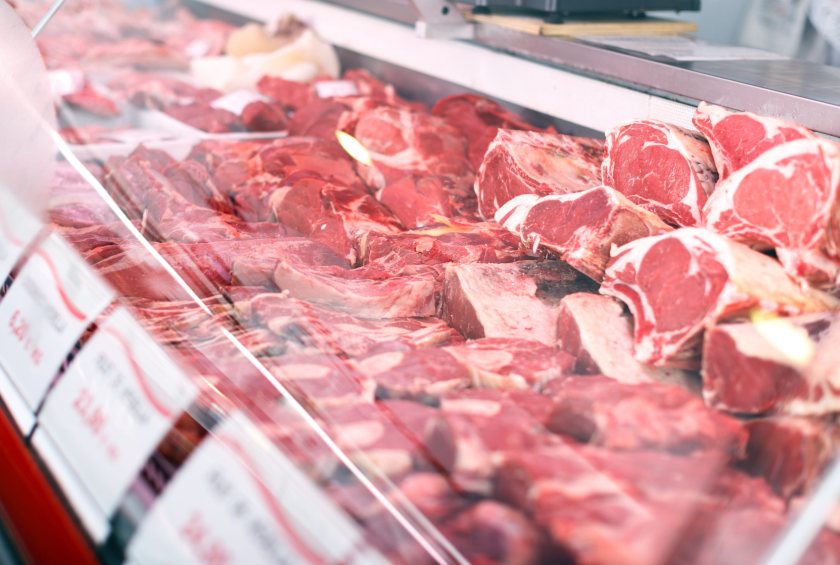
Organic and free-range food may be no safer than conventionally farmed products when it comes to antimicrobial resistance (AMR), new UK research suggests.
Scientists found little difference in resistant microorganisms on organic, free-range and intensively farmed meat and leafy green products sold in British shops.
The findings challenge long-held assumptions that alternative farming systems reduce consumers’ exposure to antimicrobial resistant bacteria.
Researchers at the Quadram Institute said food processing and handling after animals leave the farm may play a far bigger role in shaping microbial contamination on retail food.
AMR is considered one of the greatest threats to global public health, with bacteria becoming resistant to antibiotics through repeated exposure and the spread of resistance genes.
These resistant genes can transfer between bacteria, potentially making infections in humans much harder to treat.
The study comes after years of tighter restrictions on antibiotic use in farming across the UK and Europe.
Routine antibiotic use for livestock growth promotion was banned in 2006, while sales of antibiotics for use in UK animals have fallen by 57% since 2014, according to official figures from the Veterinary Medicines Directorate.
Organic farming systems also operate under stricter antibiotic rules, allowing treatment only for individual animals with a clear medical need.
Conventional systems can, in some cases, treat larger groups of animals when disease is identified.
Researchers have long debated whether these differences influence the levels of resistant bacteria found on food bought by consumers.
To investigate, the Quadram Institute analysed more than 220 samples of pork, beef, lamb, chicken, salmon and leafy greens collected from UK retailers between 2018 and 2024.
Scientists sequenced microbial DNA from the products to identify bacteria and antimicrobial resistance genes present on the food.
The research team also used a specialist technique developed at the institute to remove DNA from the food itself, improving the detection of bacterial DNA.
The study found most microbial communities were dominated by spoilage bacteria such as Pseudomonas and Lactococcus.
Researchers said these bacteria were more likely to have been introduced or increased during food processing rather than on the farm.
While some minor differences between farming systems were identified, the overall results showed production method was “not a major driver” of microbial diversity by the time food reached retailers.
The same pattern was seen for antimicrobial resistance genes, with neither their abundance nor diversity linked to whether products were organic, free-range or conventionally farmed.
“Our findings support the suggestion that food processing, post farm production, shapes the composition of microbiome on retail food, while the influence of on-farm practices is limited,” said Sam Mellor from the Quadram Institute.
Mr Mellor said the findings should not raise immediate concerns for consumers, although he noted that most of the products tested were produced in the UK.
“There are unanswered questions about the levels of antimicrobial resistance on imported food,” he said.
“Animal husbandry and antimicrobial use in agriculture, as well as organic and free-range farming regulations can vary substantially between different countries, so similar investigations comparing food production abroad may yield different results.”
Researchers said further international studies are now needed to understand whether imported food products could present different antimicrobial resistance risks.




