




Retailers split over white and brown egg future
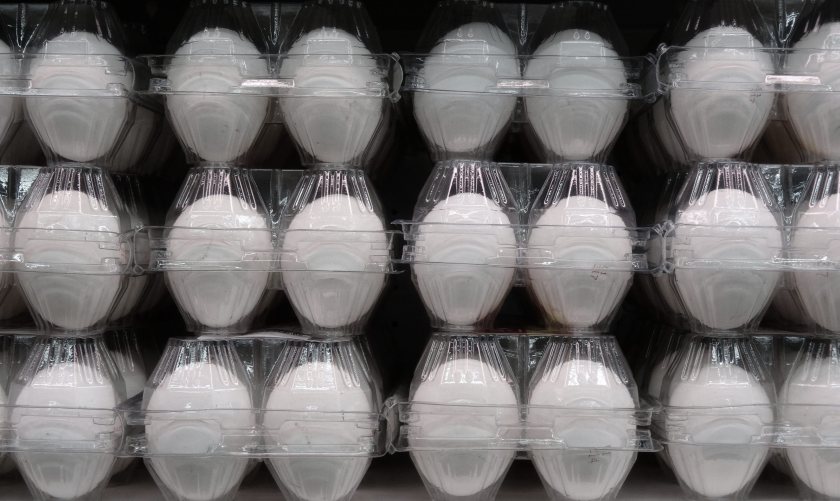
British egg producers could face a shift in supermarket demand as retailers take differing positions on white and brown eggs in response to sustainability and efficiency pressures.
Earlier this week, Sainsbury’s announced plans to move towards white-shelled eggs, saying the switch would “result in lower emissions and better welfare outcomes for the hens that lay them”.
The retailer has linked the move to its wider target of reaching net zero across its own operations by 2035.
However, the approach is not being followed uniformly across the grocery sector, with Waitrose and Morrisons both signalling that brown eggs will remain part of their ranges.
Waitrose, which has similar net zero ambitions, said it believed high welfare standards and environmental improvements could be achieved without removing brown eggs from shelves.
A spokesman said the retailer could “achieve high welfare and reduce our environmental impact at the same time”.
Morrisons has also committed to keeping brown eggs in its own-brand range, saying customers should continue to be offered a choice between shell colours.
The contrasting positions raise a wider question for the UK egg sector: whether supermarket sustainability targets could begin to influence flock choices, breed demand and future supply contracts.
White eggs were once the most commonly bought eggs in Britain, but shopper preferences shifted towards brown shells from the 1980s.
Brown eggs became associated by many consumers with more natural or healthier produce, although there is no nutritional difference between white and brown eggs.
For producers, the issue goes beyond shell colour.
Industry figures have said hens that lay white eggs can have longer and more consistent production cycles, making them attractive from both an efficiency and sustainability perspective.
Will Lea, vice-chair of the National Farmers’ Union’s poultry board, told GB News that white eggs currently account for only a small share of UK sales, although domestic production has been rising.
Mr Lea said: “It will be interesting to see what opportunities this presents for the poultry sector in years to come.”
He added that many poultry farmers were interested in increasing white egg production because of the laying performance of the hens involved.
However, consumer acceptance is expected to be a key factor if more retailers put white eggs on shelves.
Mr Lea said “the supply chain works collaboratively to ensure consumer acceptance”, with shoppers needing reassurance that white eggs are equivalent to brown eggs in quality and nutrition.
The Covid-19 pandemic also helped bring white eggs back into greater visibility, as strong egg demand led some retailers to stock them alongside brown varieties.
Morrisons introduced white eggs under its own-brand Chuckle range in 2024, while continuing to sell brown eggs.
At the time, the retailer said “customers are continuously looking for ways to shop more sustainably”.
White eggs are already the dominant choice in the United States, where they account for around three quarters of eggs eaten.
In the UK, brown eggs remain the more familiar option for many shoppers.
That means any wider move towards white eggs would likely require careful communication from retailers, as well as confidence among producers that demand will be sustained.
For British egg farmers, the supermarket split may create new opportunities, but it could also add another layer of complexity to long-term production planning.
Retailers are under increasing pressure to reduce emissions, improve welfare outcomes and offer more sustainable products.
But producers will need clear signals from the market before making decisions on flock changes, investment and future supply.




