




Sheep abortion diagnoses hit six-year high
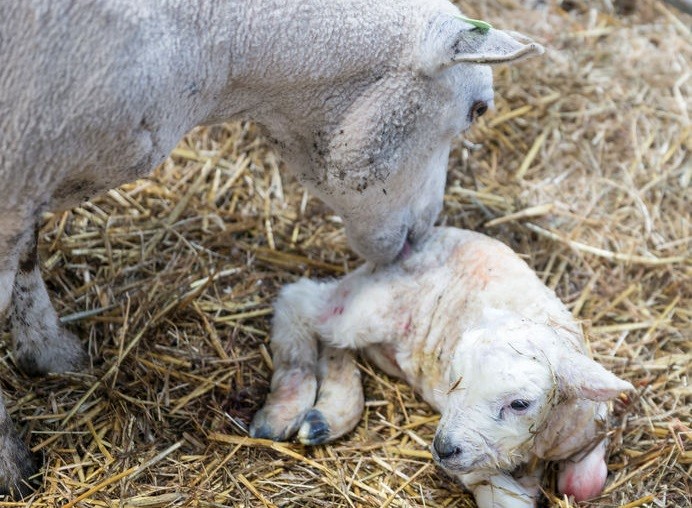
Sheep abortion diagnoses submitted to the Wales Veterinary Science Centre have reached their highest level since 2020, prompting vets to urge farmers to review vaccination plans before tupping.
Submissions have increased during 2026, with enzootic abortion of ewes the most common cause identified.
The disease, caused by Chlamydia abortus, accounted for 72% of diagnosed ovine abortion cases submitted to the centre.
Interim results from MSD Animal Health’s 2026 FlockCheck scheme also found high positivity among samples sent for testing.
Three-quarters of 421 samples tested positive for toxoplasmosis, while almost 30% of 212 samples were positive for enzootic abortion.
As the samples were submitted for diagnostic testing, the findings should not be interpreted as national prevalence figures.
Dr Kat Baxter-Smith, veterinary adviser at MSD Animal Health, said both diseases continued to cause avoidable losses.
“These are preventable diseases that can cause devastating losses, yet many farmers don’t realise there’s a problem because losses often go unrecorded or unexplained,” she said.
Farmers are being advised to consider vaccination where replacement ewes are being introduced, stock is being bought from flocks of unknown status, or barren rates, abortions and lamb losses are elevated.
“Unless barren and abortion rates are below 2%, or the flock is fully closed, ewe vaccination should be considered. Both are NOAH Category 1 diseases, meaning vaccination should be standard practice,” Dr Baxter-Smith said.
“If disease is present, or stock is being bought in from flocks of unknown status, the cost of vaccination is easily offset by reducing future losses.”
Non-pregnant ewes can be vaccinated at least four weeks before tupping, making the summer an important period for reviewing flock health plans.
Vaccines are available against both enzootic abortion and toxoplasmosis, with protection lasting across multiple breeding seasons depending on the product and vaccination programme.
Dr Baxter-Smith warned that enzootic abortion may not always cause an obvious outbreak.
“Enzootic abortion doesn’t always cause abortion storms. Subtle signs such as lower scanning rates, weak lambs or poorer survival can still indicate significant disease impact.”
Toxoplasmosis, caused by Toxoplasma gondii, is another major cause of barren ewes, abortions and weak lambs.
Sheep can become infected by consuming feed, forage or water contaminated with oocysts shed in cat faeces.
Because the parasite can survive in the environment for more than a year, controlling exposure through farm management alone can be difficult.
“The parasite’s eggs are extremely resilient and can survive for over a year in the environment, so the risk is constant,” Dr Baxter-Smith said.
She urged producers to review their 2026 lambing records, investigate unexplained losses and agree prevention plans with their vet ahead of the 2027 breeding season.




